What Is Traditional Chinese Medicine?
Traditional Chinese Medicine (TCM) is one of the world's oldest holistic healing systems, with a continuous history spanning over 2,500 years. Rooted in ancient Chinese philosophy, TCM views the human body not as a collection of isolated parts, but as an integrated whole that is inseparable from the natural world around it. Health, in TCM, is not simply the absence of disease. It is a dynamic state of harmony and balance between opposing forces, vital energies, and the body's organ systems.
Rather than targeting a specific symptom or pathogen, TCM seeks to understand why an imbalance has occurred and to restore equilibrium at the root. Its tools include acupuncture, herbal medicine, dietary therapy, cupping, moxibustion, and movement practices like Tai Chi and Qigong.
To understand TCM, and to make sense of future posts on this blog, it helps to first get familiar with its foundational vocabulary.
Core Concepts & Terminology:
Yin & Yang
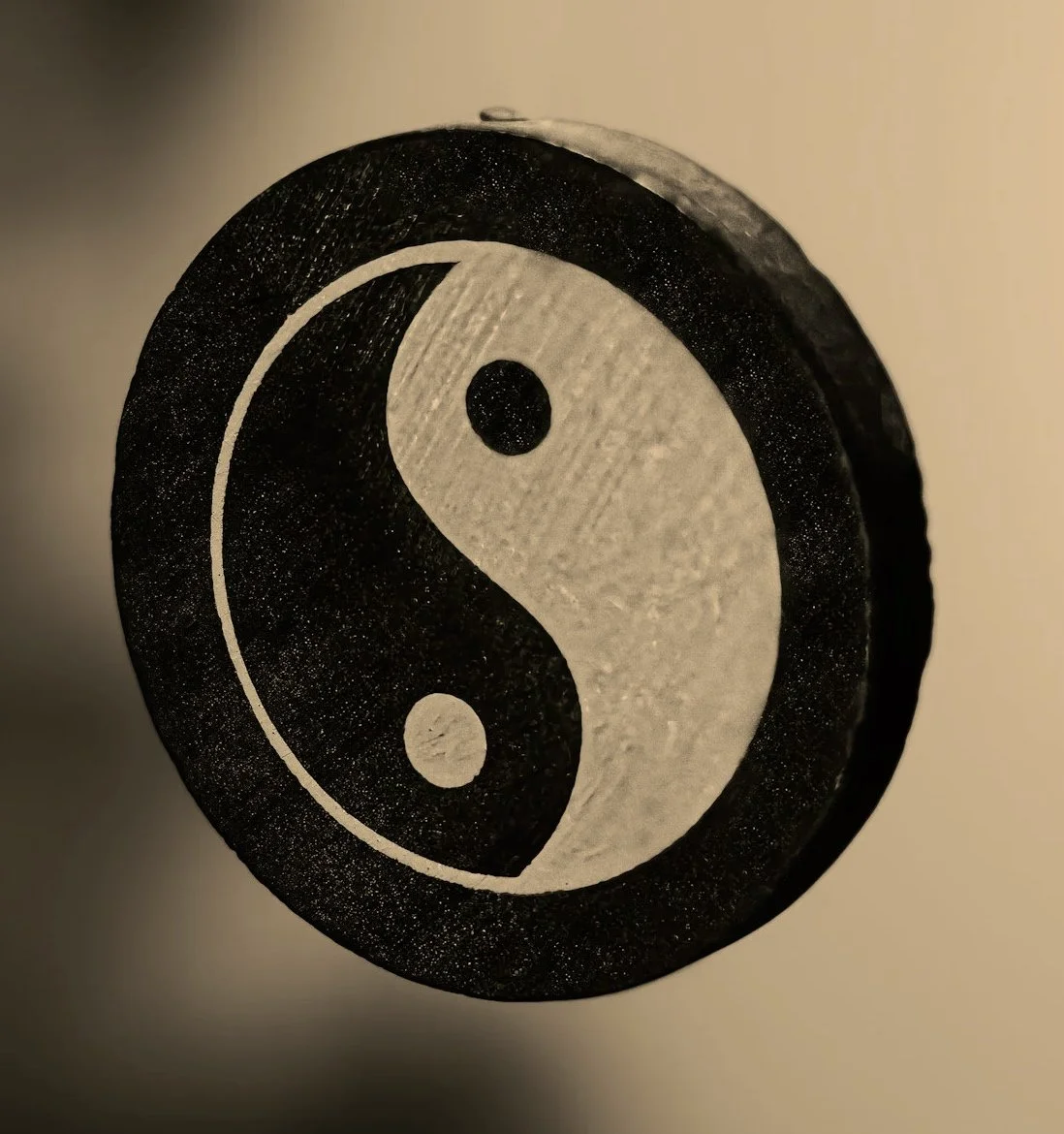
Yin and Yang are the two fundamental, complementary forces that underlie all of existence in TCM philosophy. Nothing is purely one or the other. They are always relative, interdependent, and in constant motion.
Yin is associated with: coolness, darkness, rest, moisture, the interior, nighttime, and the feminine. Yang is associated with: warmth, light, activity, dryness, the exterior, daytime, and the masculine.
In the body, Yin and Yang must be in relative balance. Too much heat (excess Yang) or too much cold (deficient Yang / excess Yin) disrupts health. For example, a fever may reflect excess Yang heat while chronic fatigue and cold limbs may reflect Yang deficiency.
Qi (Vital Energy)
Pronounced "chee," Qi is the life force or vital energy that flows through all living things. In TCM, Qi is what animates the body and drives every physiological function such as breathing, digestion, circulation, thought and emotion.
Qi flows through the body along pathways called meridians (see below). When Qi flows freely and abundantly, we are healthy. When it is deficient, stagnant, or flowing in the wrong direction, illness arises.
There are several types of Qi in the body:
Yuan Qi (Source Qi): Inherited from our parents; stored in the Kidneys
Gu Qi (Food Qi): Derived from the food we eat
Zong Qi (Gathering Qi): Formed in the chest; governs respiration and circulation
Wei Qi (Defensive Qi): Flows on the body's surface; protects against external pathogens (think: the immune system)
Ying Qi (Nutritive Qi): Flows within the meridians; nourishes the organs and tissues
Blood (Xue)
In TCM, Blood (Xue) is more than the red fluid in your veins. It is a dense, nourishing substance closely related to Qi. In fact, the two are inseparable: "Qi is the commander of Blood; Blood is the mother of Qi."
Blood moistens and nourishes the organs, muscles, tendons, skin, and sensory organs. It is also the material foundation for the mind (Shen). Blood deficiency can manifest as pale complexion, dizziness, dry skin, poor memory, anxiety, and insomnia.
Jing (Essence)
Jing is the densest, most refined substance in the body and is often translated as "Essence." It comes in two forms:
Prenatal (Congenital) Jing: Inherited from your parents at conception; determines your constitution, vitality, and longevity. It is stored in the Kidneys and is finite. It cannot be replenished, only conserved.
Postnatal (Acquired) Jing: Continuously refined from food, air, and rest. A healthy lifestyle can slow the depletion of Prenatal Jing.
Jing governs growth, development, reproduction, and aging. Depletion of Jing is associated with premature aging, developmental issues, infertility, and decline in cognitive and physical vitality.
Body Fluids (Jin Ye)
Jin Ye refers to all the normal fluids of the body aside from Blood including saliva, gastric juices, joint fluid, sweat, tears, urine, and more. They moisten and lubricate the organs, skin, joints, and orifices.
Jin (thin fluids): Clear, light fluids that moisten the skin and muscles (e.g., sweat, saliva)
Ye (thick fluids): Dense, viscous fluids that lubricate the joints and nourish the brain and marrow
Shen (Spirit / Mind)
Shen is often translated as "Spirit" or "Mind" and encompasses consciousness, mental activity, thought, memory, sleep, and emotional wellbeing. In TCM, Shen is housed in the Heart. When Shen is calm and anchored, the person is mentally clear, emotionally stable, and able to sleep peacefully. When Shen is disturbed, such as by shock, stress, emotional trauma, or Heart imbalance, the result may be anxiety, insomnia, palpitations, restlessness, or confusion.
The Five Elements (Wu Xing)
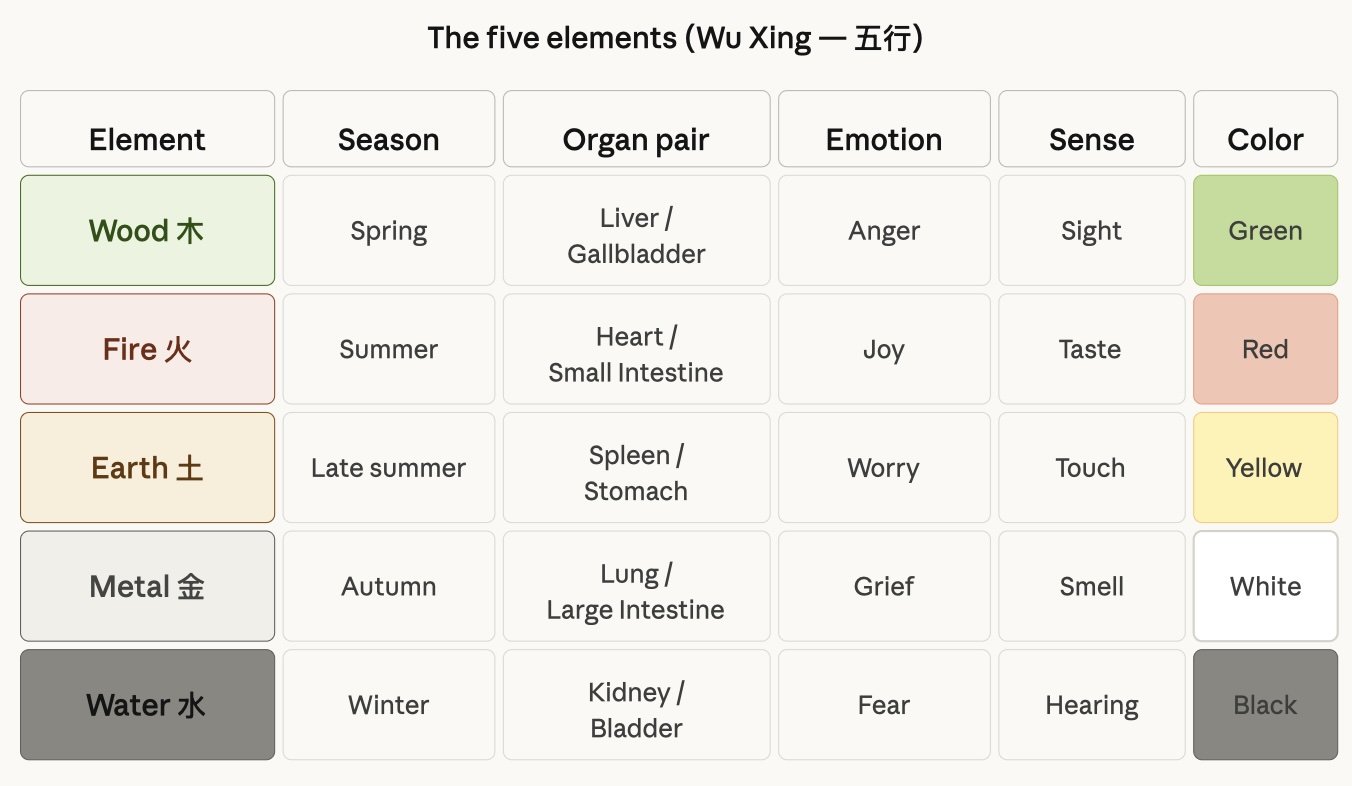
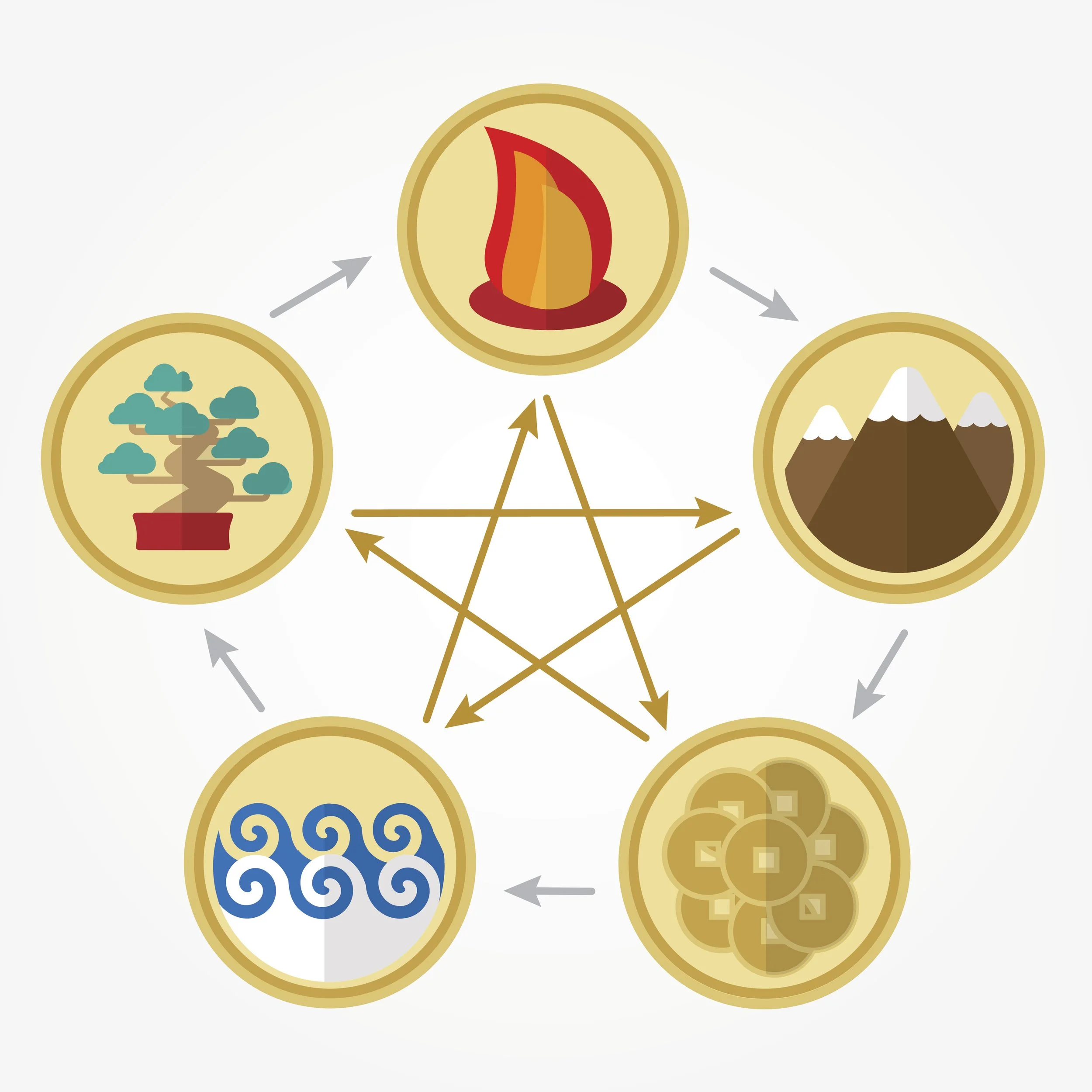
The Five Elements: Wood, Fire, Earth, Metal, and Water are a framework for understanding how natural phenomena (including the body's organs and functions) relate to and interact with one another. The elements relate to each other through cycles of nourishment and control, helping practitioners understand how an imbalance in one system can affect others.
Meridians (Jing Luo)
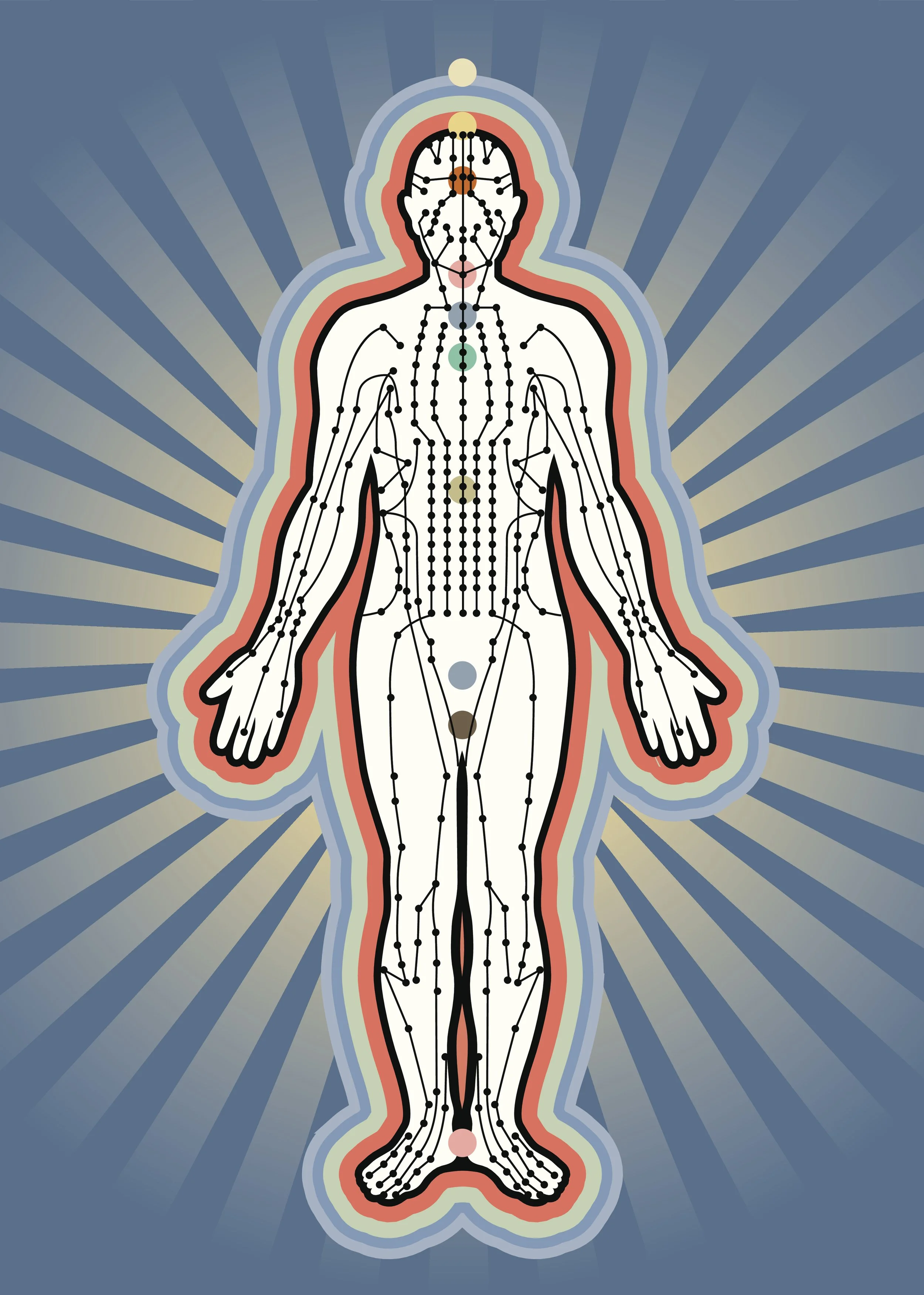
Meridians are the channels or pathways through which Qi and Blood flow throughout the body. There are 12 primary meridians, each associated with a major organ system, plus 8 extraordinary meridians that serve as reservoirs of energy.
Acupuncture points lie along these meridians.
By needling specific points, a practitioner can regulate the flow of Qi by dispersing stagnation, tonifying deficiency, clearing heat, or warming cold.
The Six Pathogenic Factors (Liu Xie)
TCM identifies six external climatic forces that can invade the body and cause illness when the body's defenses (Wei Qi) are compromised:
Wind, Cold, Heat, Dampness, Dryness, and Summer Heat
These can act alone or in combination (e.g., "Wind-Cold" is a classic common cold pattern). They are also used metaphorically for internal patterns. For instance, "internal Dampness" arising from poor diet.
The Organ Systems (Zang-Fu)
In TCM, the organs are understood functionally rather than purely anatomically. Each organ has a broader set of responsibilities that encompass the physical, emotional, and spiritual than its Western counterpart. They are organized into Zang (solid, Yin) organs and Fu (hollow, Yang) organs, each paired together.
Heart (Xin) Fire Element
Governs: Blood circulation and the vessels Houses: Shen (Mind/Spirit).
Emotion: Joy (excess → mania/anxiety; deficiency → depression)
Opens to: The tongue.
The Heart is considered the "Emperor" of all organs. It not only pumps blood but is the seat of consciousness, thought, and emotional experience.
Heart imbalances often manifest as palpitations, insomnia, anxiety, poor memory, and speech difficulties.
Liver (Gan) Wood Element
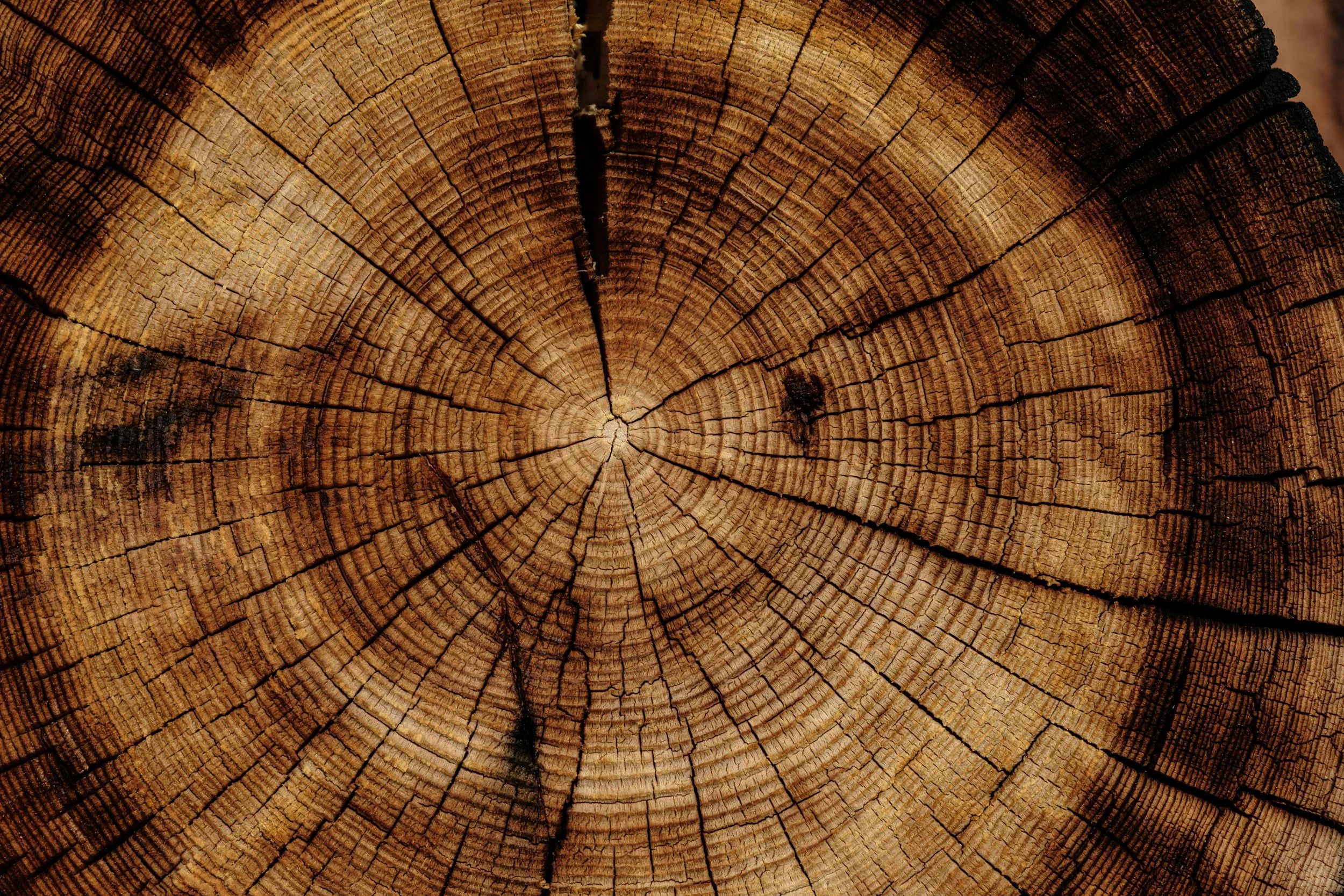
Governs: The smooth flow of Qi and emotions; stores Blood.
Emotion: Anger, frustration, resentment.
Opens to: The eyes; manifests in nails
The Liver is a critical regulator as it ensures that Qi moves freely throughout the body and keeps emotions in check.
Liver Qi stagnation (very common in modern life) leads to irritability, PMS, hypochondriac pain, digestive upset, and tension headaches.
Lung (Fei) Metal Element
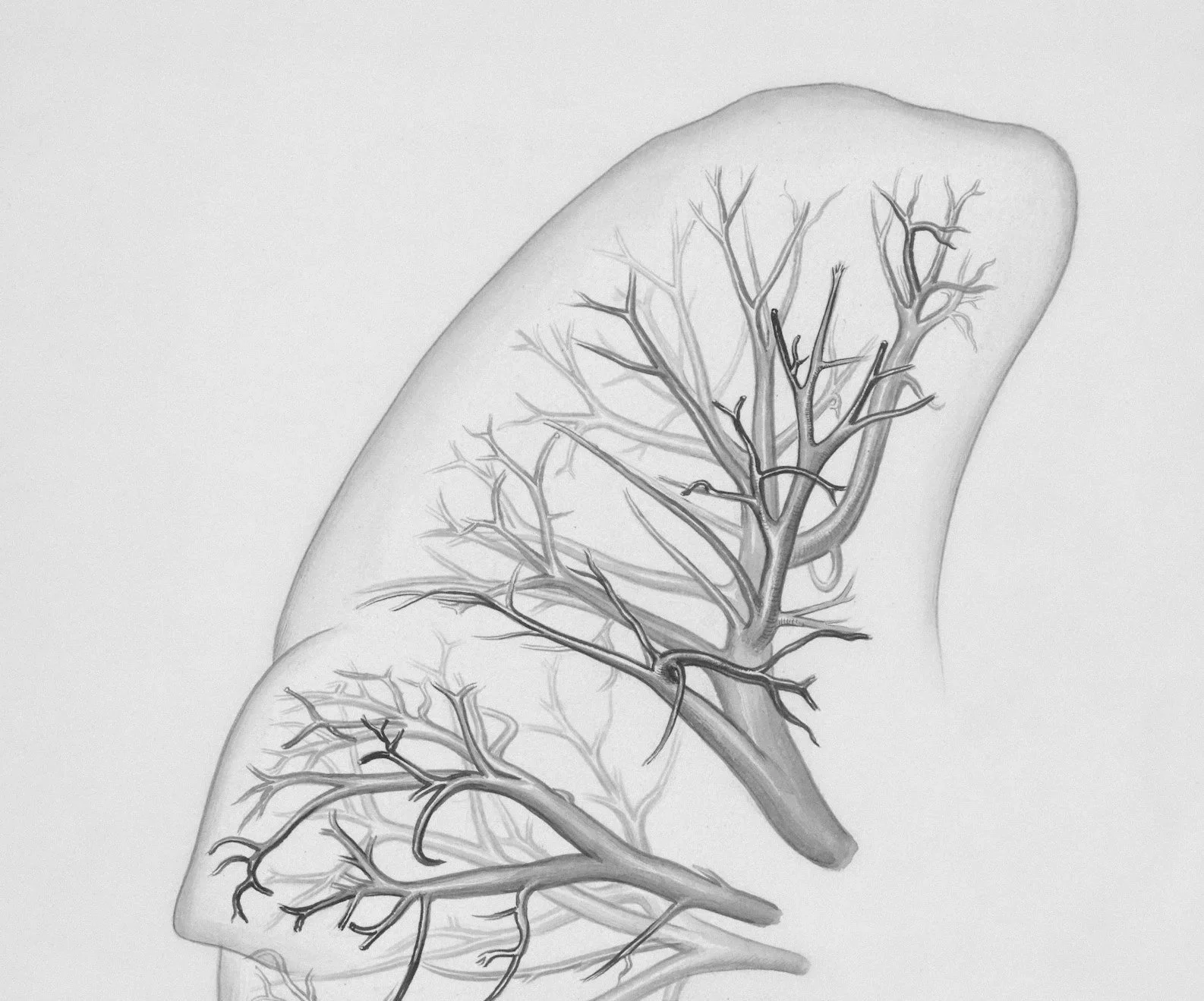
Governs: Respiration; controls Wei Qi (immune defense); regulates water passages.
Emotion: Grief, sadness.
Opens to: The nose; manifests in body hair and skin. The Lung takes in air and the pure Qi from it, then disperses it throughout the body. It also plays a central role in immune defense.
Grief that goes unprocessed can deplete Lung Qi, weakening immunity and respiratory health.
Kidney (Shèn) Water Element
Governs: Stores Jing (Essence); governs growth, development, reproduction; controls water metabolism; grasps Lung Qi.
Emotion: Fear.
Opens to: The ears; manifests in hair (head).
The Kidney is the root of all Yin and Yang in the body: the "Minister of Power." It holds our constitutional vitality.
Kidney deficiency is associated with aging, low back pain, tinnitus, poor memory, urinary issues, infertility, and developmental problems.
Spleen (Pi) Earth Element
Governs: Transformation and transportation of food and fluids; produces Qi and Blood from food; holds Blood in vessels; governs muscles and limbs.
Emotion: Worry, overthinking Opens to: The mouth; manifests in lips.
In TCM, the Spleen (paired with the Stomach) is the central engine of digestion and the primary source of postnatal Qi. The spleen in TCM is similar to the Pancreas in Western medicine.
A weak Spleen leads to fatigue, bloating, loose stools, poor appetite, and a tendency to bruise easily. Overthinking and worry are particularly damaging to Spleen function.
Pericardium (Xin Bao) Fire Element
Governs: Protects the Heart; governs circulation alongside the Heart Emotion: Joy / emotional openness The Pericardium is the Heart's "minister and protector," shielding it from external pathogens and emotional shocks. Its meridian is frequently used in acupuncture to treat Heart-related conditions and emotional disturbances.
Small Intestine (Xiao Chang) Fire Element (Fu/Yang pair of Heart)
Governs: Separating the pure from the turbid, receiving transformed food from the Stomach and separating usable nutrients from waste. Dysfunction may contribute to digestive issues, difficulty discerning clearly (mentally or physically), and urinary problems.
Gallbladder (Dan) | Wood Element (Fu/Yang pair of Liver)
Governs: Stores and excretes bile; governs decision-making and courage. Imbalance can lead to indecisiveness, timidity, digestive problems with fats, and rib-side pain.
Stomach (Wei) | Earth Element (Fu/Yang pair of Spleen)
Governs: Receives and "ripens" food; sends food downward for further digestion. The Stomach is the "Sea of Food and Fluids." Its Qi should descend. When it rebels upward, the result is nausea, hiccups, belching, and acid reflux.
Large Intestine (Da Chang) Metal Element (Fu/Yang pair of Lung)
Governs: Receiving and transforming waste; absorbing fluids; elimination. Connected to the Lung, it plays a role in letting go both physically (waste) and emotionally. Imbalance leads to constipation, diarrhea, or skin issues.
Urinary Bladder (Pang Guang) Water Element (Fu/Yang pair of Kidney)
Governs: Stores and excretes urine; the longest meridian in the body, running along the entire back. Bladder meridian imbalances can affect the whole spine and nervous system, not just urinary function.
San Jiao / Triple Burner Fire Element (Fu/Yang pair of Pericardium)
Governs: The three "burning spaces" of the body: Upper (heart/lungs), Middle (spleen/stomach), and Lower (liver/kidneys/intestines). And the transformation and movement of Qi and fluids between them. The San Jiao acts as a coordinator of the body's overall metabolism and fluid distribution.
Putting It All Together
TCM's power lies in its ability to see connections between organs, emotions, seasons, diet, and lifestyle that Western medicine often treats in isolation.
When you read future posts on this blog about specific conditions, treatments, or dietary recommendations, these foundational concepts will be the language we're speaking.
Bookmark this page as your TCM glossary! It's meant to be a living reference you return to whenever a term needs clarifying.