TCM for Menstruation, Fertility & Hormone Balance
In Traditional Chinese Medicine (TCM), a healthy menstrual cycle is a reflection of the body's overall balance. Acupuncture can work with each phase of your cycle intentionally to support what it needs at each moment. Weekly treatments are recommended. As we address the issues in each phase, periods may become more regular and more comfortable. For those women who wish to get pregnant, this balance is especially important. TCM can treat issues related to PCOS, Endometriosis, Fibroids, Premature Ovarian Insufficiency, and Unexplained Infertility.
*To review TCM terminology, please refer to previous blog post HERE.
General Recommendations:
Warm Foods
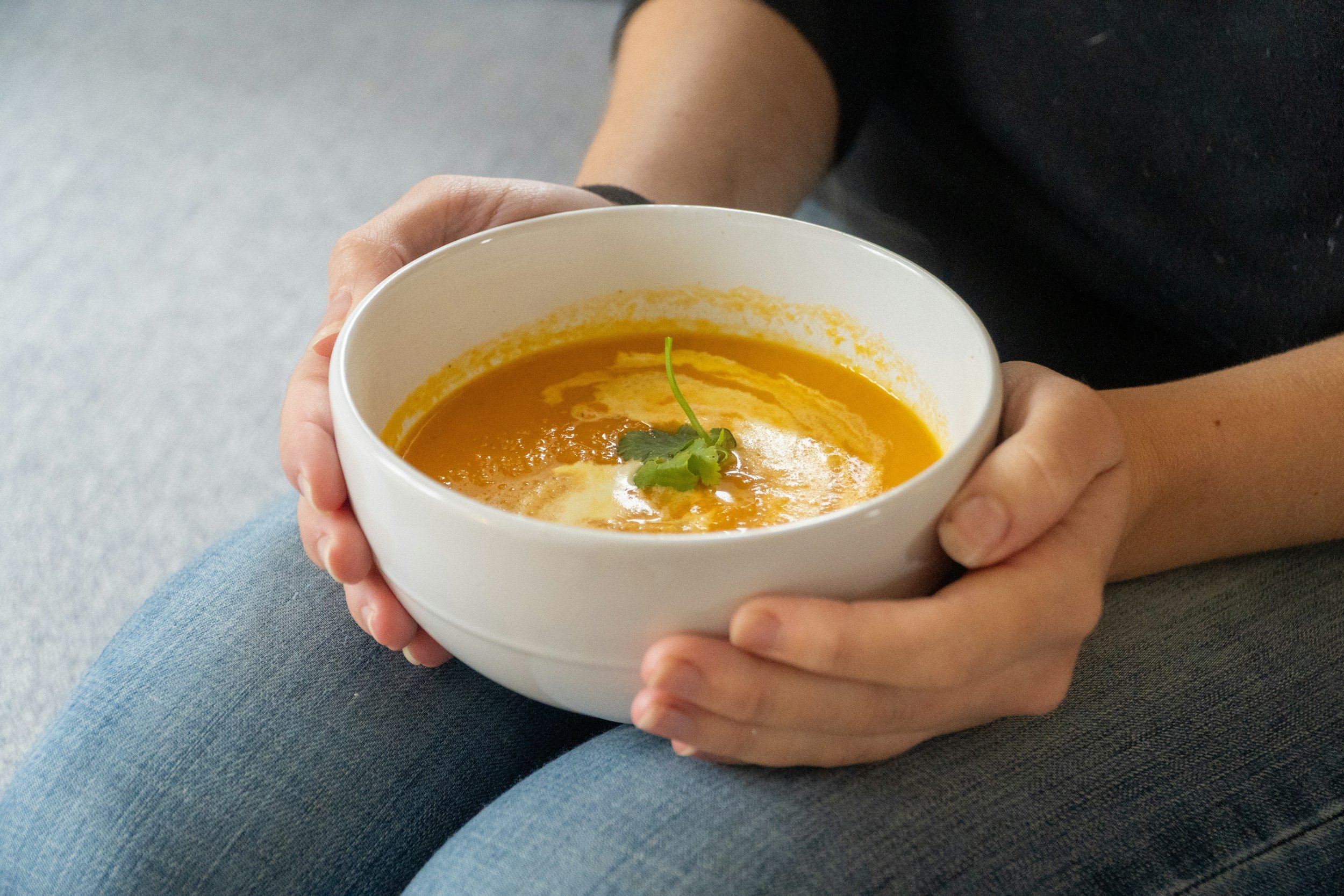
In all phases it is recommended to avoid cold drinks and limit cold foods. "Cold foods" refers to both literally cold-temperature foods (smoothies, ice cream, etc) and foods considered energetically cooling in nature like raw vegetables and seafood.
The Uterus Needs Warmth. TCM views the uterus as an organ that thrives on warmth and good blood circulation. Cold is believed to cause stagnation. It constricts blood vessels, slows the flow of Qi (vital energy) and blood, and can cause the uterus to contract around its lining and follicles. In fertility, a cold uterus is seen as an inhospitable environment for implantation. It’s like trying to plant a seed in frozen soil!
Warm, cooked foods such as soups and stews, warming spices like ginger and cinnamon, and avoiding food straight from the fridge, are preferred. You should also avoid excessive caffeine, refined sugar and greasy foods.
Stress Reduction

Modern life is full of stressors. In TCM, stress is seen as a major disruptor of the Liver, the organ system responsible for the smooth flow of Qi and blood throughout the body, including the reproductive organs. When we're chronically stressed, the Liver Qi becomes stagnant, which can manifest as irregular cycles, painful periods, PMS, mood swings before menstruation, and difficulty conceiving.
From a TCM perspective, practices that move Qi and calm the nervous system like acupuncture, meditation, time in nature, walking, qigong, yoga, adequate sleep, and simply making space for rest and joy are considered just as therapeutic as dietary changes. With my fertility patients, I encourage them to mother themselves first by attending to emotional, mental, spiritual and physical needs.
Chinese Herbal Medicine
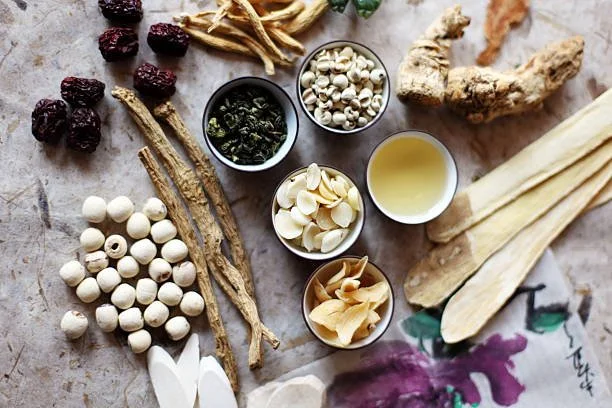
In TCM, Chinese herbal medicine is considered one of the most powerful tools for supporting reproductive health because it works to address the root imbalance rather than just managing symptoms. Herbal formulas are typically tailored to the individual.
Generally speaking, in the first week of the cycle during the period, we focus on herbs that move blood. In the second week, we work on building blood and yin. At ovulation we can use yang boosting herbs. After ovulation herbs are give to sooth the Liver qi to prevent cramping and PMS.
Herbs can be taken in tablet, capsule, powder or tea form.
The Cycle Phases:
Phase 1: Menstruation (Days 1–5)
What's happening hormonally: Estrogen and progesterone drop, triggering the uterine lining to shed. This is the body's natural "reset."
TCM perspective: This phase is ruled by the Chong and Ren channels (the Penetrating and Conception vessels). The Uterus opens and Blood moves downward and outward. The TCM goal in this phase is to move Qi and Blood to encourage a smooth, complete flow that is not too heavy, not too light, and free of clots or significant pain. Stagnation of Qi and Blood is the most common TCM pattern behind cramping and dark, clotty periods.
Acupuncture goals: Regulate flow, reduce pain, clear stagnation, and support the body's transition into the new cycle.
How to support your menstrual phase: Eat warming foods (soups, stews) and iron-rich foods. Prioritize rest and avoid rigorous exercise. Gentle yoga, stretching or walking. Reduce screen time and social obligations if possible. This is a natural time to turn inward and take care of yourself.
Phase 2: Follicular Phase (Days 6–13)
What's happening hormonally: The pituitary releases FSH (follicle-stimulating hormone), prompting follicles in the ovaries to mature. Estrogen begins to rise, rebuilding the uterine lining. Energy typically increases during this phase.
TCM perspective: After the Blood has moved, the body now needs to rebuild Yin and Blood that was lost during menstruation. This is a time of growth and nourishment. The Kidney Yin and Liver Blood are the foundations of healthy follicle development. If Yin or Blood is deficient, whether from stress, poor sleep, or overwork, follicle quality and lining thickness can suffer.
Acupuncture goals: Nourish Kidney Yin, tonify Liver Blood, and support the growth of a healthy follicle and a receptive uterine lining.
How to support your follicular phase: Eat blood and yin nourishing foods such as eggs, dark leafy greens, beets, carrots, liver and kidney beans. Eat healthy fats such as avocado, olive oil, flax seeds, walnuts and wild salmon. Energy is rising in this phase, a great time for strength training and cardio exercises.
Phase 3: Ovulation (Around Day 14)
What's happening hormonally: A surge in LH (luteinizing hormone) triggers the dominant follicle to release an egg. Estrogen peaks, and cervical mucus becomes clear and stretchy. This is the window of peak fertility.
TCM perspective: Ovulation requires a surge of Yang energy to propel the egg from the follicle. Think of it as a spark of fire after weeks of building. This transition from Yin to Yang is governed by the Kidneys. If Kidney Yang is weak or Qi is stagnant, ovulation may be delayed, incomplete, or missed entirely.
Acupuncture goals: Encourage the smooth transition from Yin to Yang, promote Qi movement to support the LH surge, and ensure the egg is released cleanly and completely.
How to support your ovulation phase: Eat zinc (pumpkin seeds, oysters, beef, chickpeas) and antioxidant (berries, pomegranate, steamed leafy greens, colorful vegetables) rich foods. If trying to conceive, be aware of cervical mucus signs.
Phase 4: Luteal Phase (Days 15–28)
What's happening hormonally: The empty follicle becomes the corpus luteum, producing progesterone. This hormone thickens the uterine lining to prepare for a potential implantation. If fertilization doesn't occur, progesterone falls and menstruation begins again.
TCM perspective: This is a Kidney Yang dominant phase — warming, holding, and securing. Yang energy maintains the warmth of the uterus to support implantation and early pregnancy. But if Yang consolidates too much without free Liver Qi flow, stagnation builds up. This causes PMS, tension, and irritability that is common in the second half of the cycle. Common TCM patterns in this phase include Kidney Yang deficiency (low progesterone, cold signs, spotting before the period) and Liver Qi stagnation (PMS, irritability, breast tenderness).
Acupuncture goals: Warm and tonify Kidney Yang, calm Liver Qi to ease PMS, and create a stable, nourishing environment for implantation.
How to support your Luteal phase: Avoid caffeine, alcohol, salty foods, cold/raw foods. Gentle movement and stress reduction to keep liver qi moving smoothly. Journaling or creative outlets to prevent emotional stagnation.
Ready to feel the difference?

Your menstrual cycle is one of the most powerful indicators of your overall health and you don't have to navigate it alone. Whether you are struggling with painful periods, irregular cycles, PMS, or are on a journey to conceive, acupuncture offers a gentle and effective path back to balance. Each treatment is tailored to where you are in your cycle and what your body uniquely needs, addressing not just symptoms but the root imbalances beneath them.
Many women are surprised by how much better they can feel when their cycle is supported with intention and care. If you are ready to experience the difference, I would love to be part of your journey. Click Here to schedule your first New Patient Acupuncture visit. Your body has been asking for this kind of support, and we are here to help!