Acupuncture through two lenses: Ancient Wisdom and Modern Science
If you've ever been curious about acupuncture but weren't quite sure what to make of it, you're not alone. The idea of tiny needles producing real health benefits can seem mysterious, even a little puzzling. The truth is, there are actually two fascinating ways to understand how acupuncture works: through the lens of Traditional Chinese Medicine (TCM), which has guided healers for thousands of years, and through the lens of modern Western science, which is increasingly confirming what practitioners have long known. Let's explore both.
The Chinese Medicine Perspective: Restoring the Flow of Qi

In Traditional Chinese Medicine, health is understood as a state of balance and harmony within the body. At the heart of this philosophy is the concept of Qi (pronounced "chee") which is the vital life energy that flows through every living being.
Think of Qi like water moving through a network of rivers and streams. When the flow is smooth and unobstructed, the land (your body) flourishes. But when something blocks or disrupts that flow, whether it's stress, injury, poor diet, or emotional strain, health problems begin to emerge. Pain, fatigue, digestive issues, and anxiety are all seen as signs that Qi is stuck or out of balance.
Qi travels through the body along specific pathways called meridians. There are 12 primary meridians, each connected to a different organ system: the lungs, liver, heart, kidneys, spleen and so on. Acupuncture points (there are over 350 of them!) are specific locations along these meridians where the flow of Qi can be accessed and influenced.

When I insert a fine, sterile, hair-thin needle into one of these points, the goal is to remove blockages, redirect energy where it's deficient, or calm it where it's excessive. The result? The body's natural balance is restored, and healing can begin.
This system isn't just poetic. It's a highly sophisticated clinical framework that has guided practitioners in diagnosing and treating patients for over 2,500 years.
The Western Medicine Perspective: Nerves, Hormones, and Healing Signals
Modern science approaches acupuncture from a different angle, but arrives at equally compelling conclusions. Researchers have been studying acupuncture for decades, and while the science is still evolving, several mechanisms have emerged to help explain its effects.
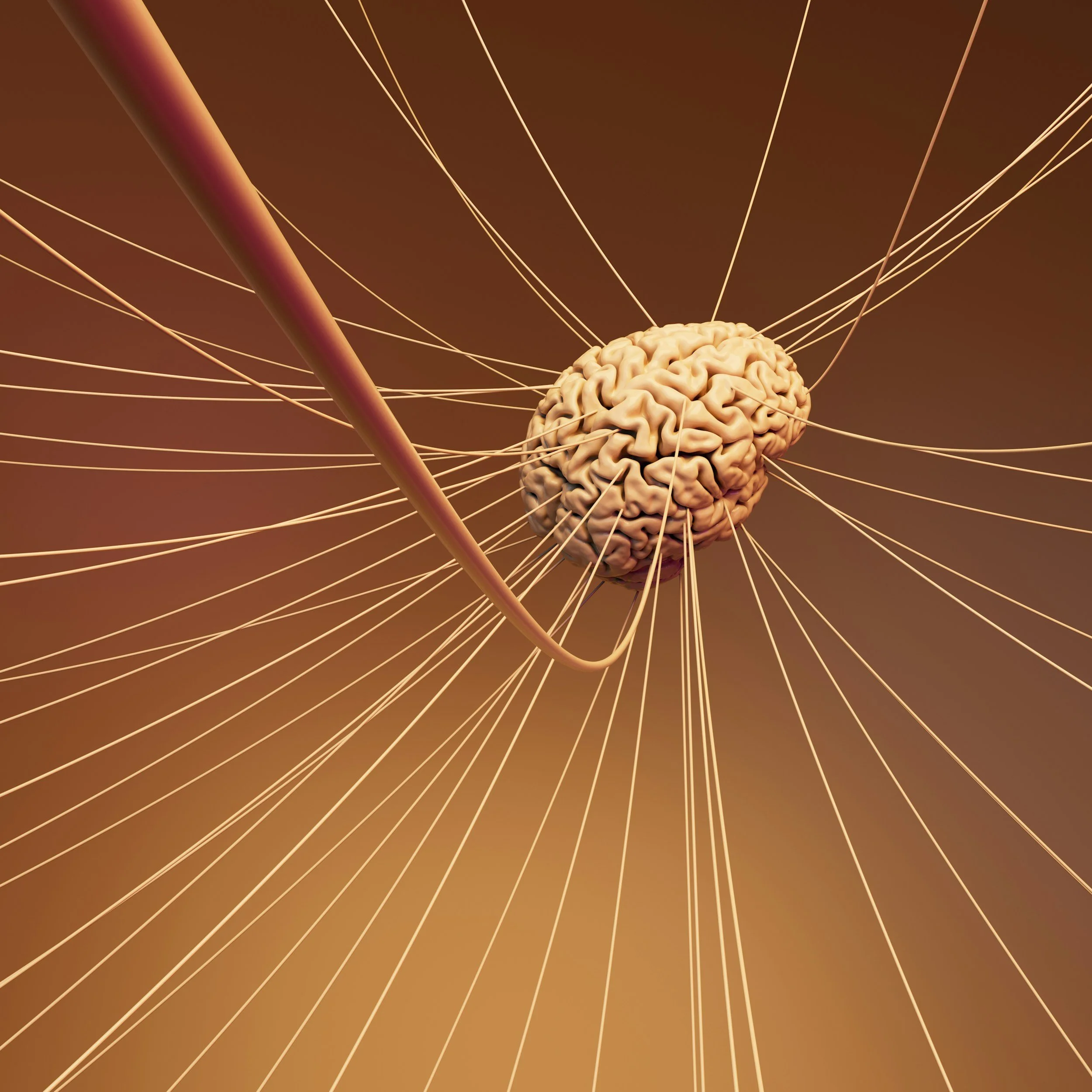
1. Stimulating the nervous system.
When an acupuncture needle is inserted, it activates sensory nerves beneath the skin and in the muscles. These nerves send signals to the brain and spinal cord, prompting the release of natural pain-relieving chemicals called endorphins and enkephalins which are the body's own built-in painkillers. This is one reason why acupuncture is so effective for managing chronic pain conditions like back pain, migraines, and arthritis.

2. Regulating the stress response.
Acupuncture has been shown to influence the autonomic nervous system. This is the part of your nervous system that controls your "fight or flight" and "rest and digest" responses. By helping shift the body out of a chronic stress state, acupuncture can lower cortisol levels, reduce inflammation, and promote deep relaxation. Many of my patients report feeling profoundly calm after a session and now we have a biological explanation for why.

3. Improving circulation and reducing inflammation.
Needle insertion triggers a local tissue response that increases blood flow to the area. Better circulation means more oxygen and nutrients delivered to tissues, and a more efficient removal of waste products. Studies have also found that acupuncture can modulate inflammatory markers in the body, which is significant for conditions ranging from sports injuries to autoimmune issues.
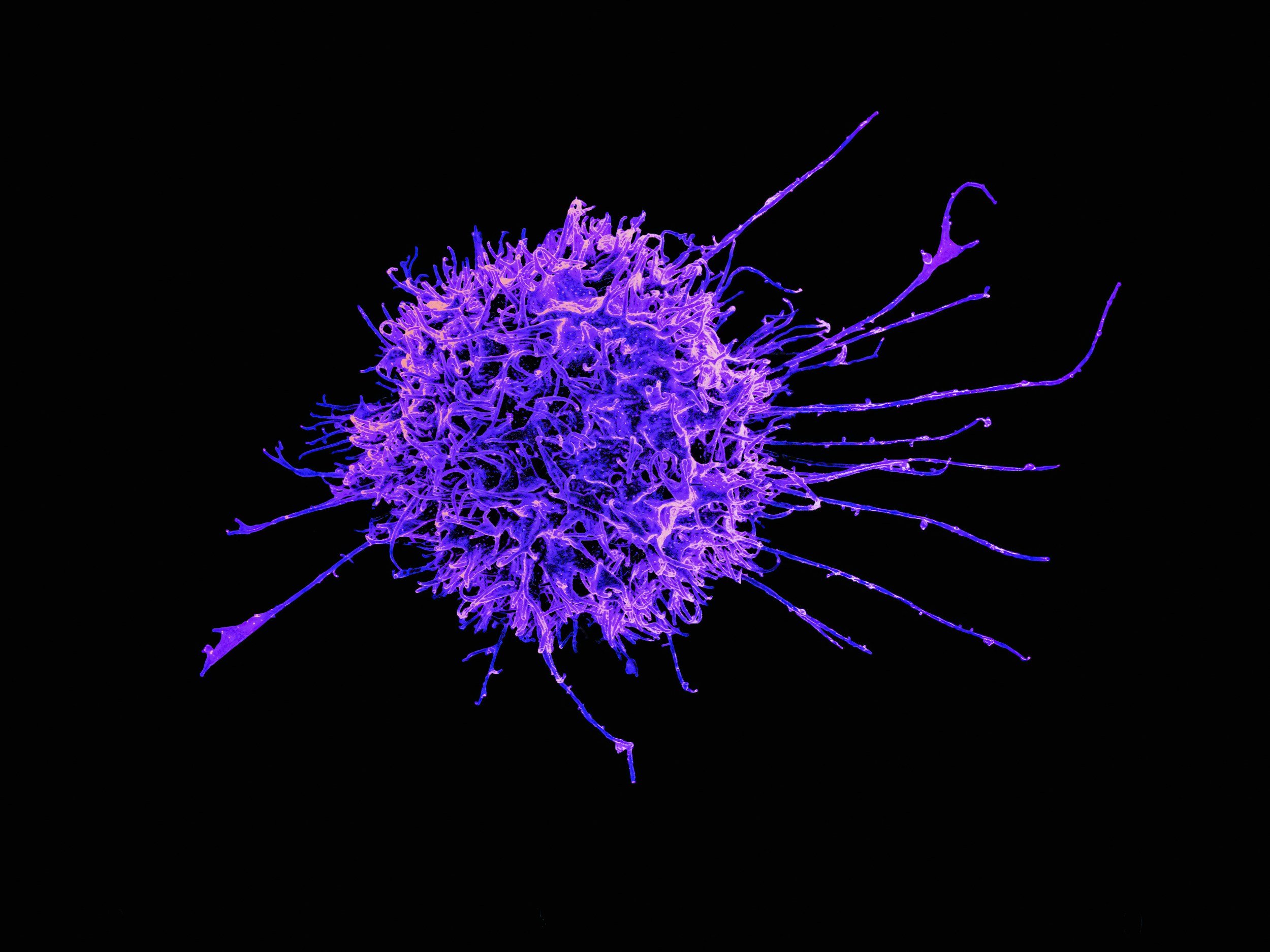
4. Supporting the immune system.
One of the more exciting areas of acupuncture research involves its effect on immune function. Studies have found that acupuncture can stimulate the production of natural killer (NK) cells and T-lymphocytes. These are the frontline defenders of your immune system. Just as importantly, it appears to help regulate an overactive immune response, making it relevant not just for people who get sick frequently, but also for those dealing with chronic inflammation or autoimmune conditions. In other words, acupuncture doesn't just boost the immune system, it helps balance it.

5. The fascia connection.
Recent research has uncovered a fascinating link between acupuncture points and connective tissue, or fascia. Fascia is the web of tissue that runs throughout the entire body. When a needle is inserted and gently rotated, it interacts with this tissue and sends a mechanical signal that triggers a cellular healing response. It's a compelling discovery that suggests the meridian pathways mapped by TCM thousands of years ago may have a very real physical basis in modern anatomy.
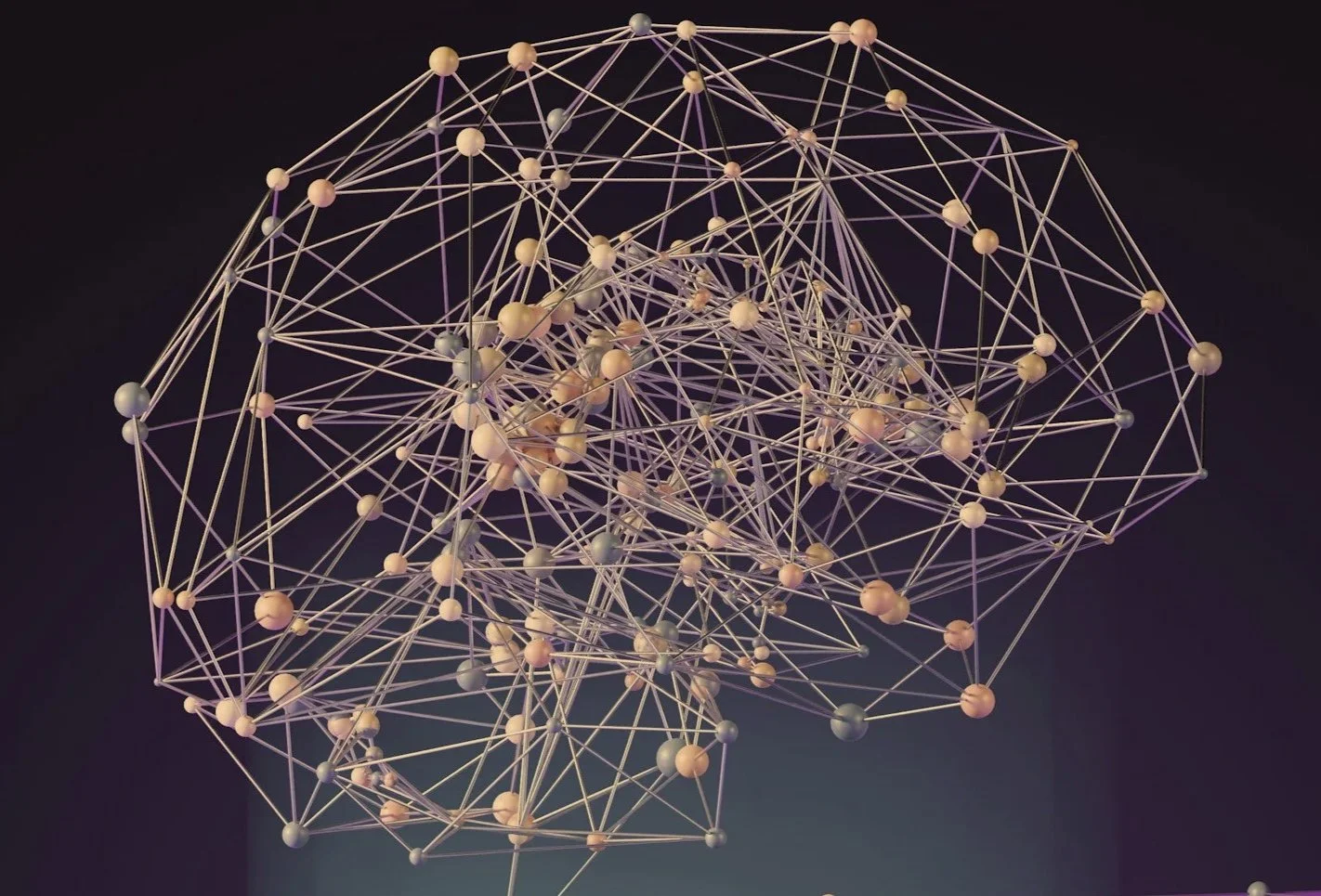
6. Influencing the brain.
Neuroimaging studies have shown that acupuncture actually changes activity in specific regions of the brain including areas involved in pain perception, mood regulation, and the processing of stress. It's a reminder that acupuncture isn't just working locally at the needle site; it's communicating with your entire nervous system.
Two Languages, One Truth
What's beautiful about acupuncture is that the Chinese medicine and Western medicine perspectives don't contradict each other. They simply describe the same phenomenon using different languages. Where TCM sees "blocked Qi in the liver meridian," a Western researcher might see "elevated cortisol and restricted blood flow." Where TCM describes "tonifying kidney yang," science observes "improved adrenal function and reduced inflammation.
Both traditions recognize that the body has a remarkable capacity to heal itself and that sometimes it just needs a little help finding its way back to balance.
Ready to Experience Acupuncture for Yourself?
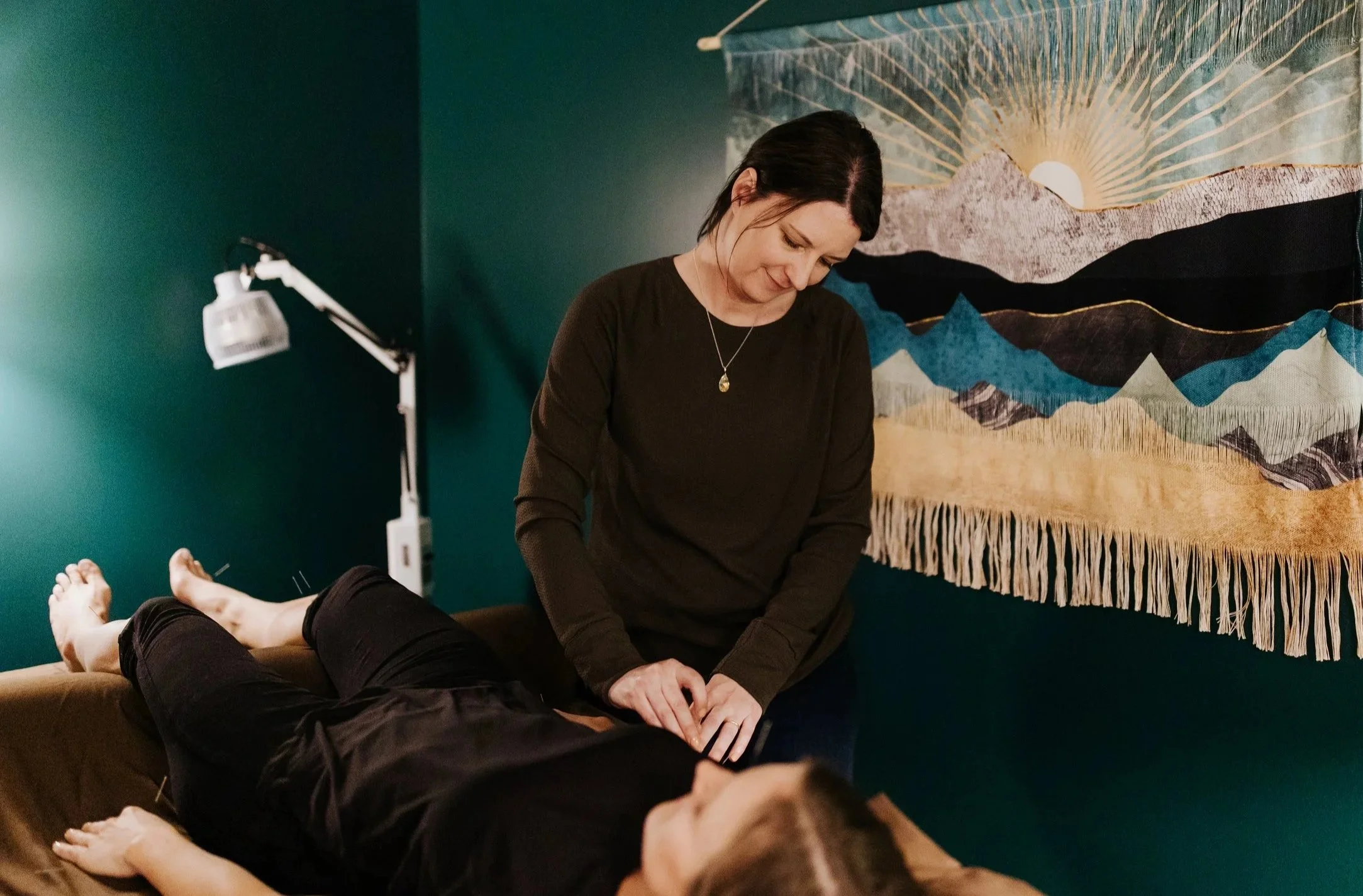
Whether you're drawn to the ancient wisdom of Chinese medicine, the growing body of scientific research, or simply the idea of a deeply relaxing hour just for yourself, acupuncture has something to offer everyone.
We'd love to welcome you into our clinic and answer any questions you have. Your first session is a conversation as much as a treatment, and we'll always take the time to make sure you feel comfortable and informed every step of the way.
Click HERE to book your new patient appointment today! Your body will thank you.