Second Spring: Understanding Perimenopause & Menopause
In Traditional Chinese Medicine, the years following menopause are known as the "Second Spring.” This is a poetic and deeply intentional term that reframes this life phase not as an ending, but as a new beginning.

If you've been waking up at 3am drenched in sweat, feeling irritable for reasons you can't quite name, or noticing that your periods have become unpredictable, you might be in perimenopause. And if you're wondering why no one warned you about how long this transition could last, you're not alone.
Perimenopause can begin as early as your late 30s and last a decade before menopause officially arrives (defined as 12 consecutive months without a period). The journey through this transition is deeply personal, but it doesn't have to be something you simply endure. Both Western medicine and Traditional Chinese Medicine (TCM) offer meaningful insight, and real relief.
In this post, we'll explore what's actually happening in your body from both perspectives, and how acupuncture and herbal medicine can support you through this powerful transition.
*If you need to review TCM terminology in this blog, you can visit our TCM basics blog HERE.
What Western Medicine Tells Us:
The Hormonal Shift
From a Western perspective, perimenopause and menopause are driven by a gradual decline in ovarian function. As the ovaries produce less estrogen and progesterone, the pituitary gland compensates by releasing higher levels of FSH (follicle-stimulating hormone) and LH (luteinizing hormone), essentially trying harder to stimulate ovulation.
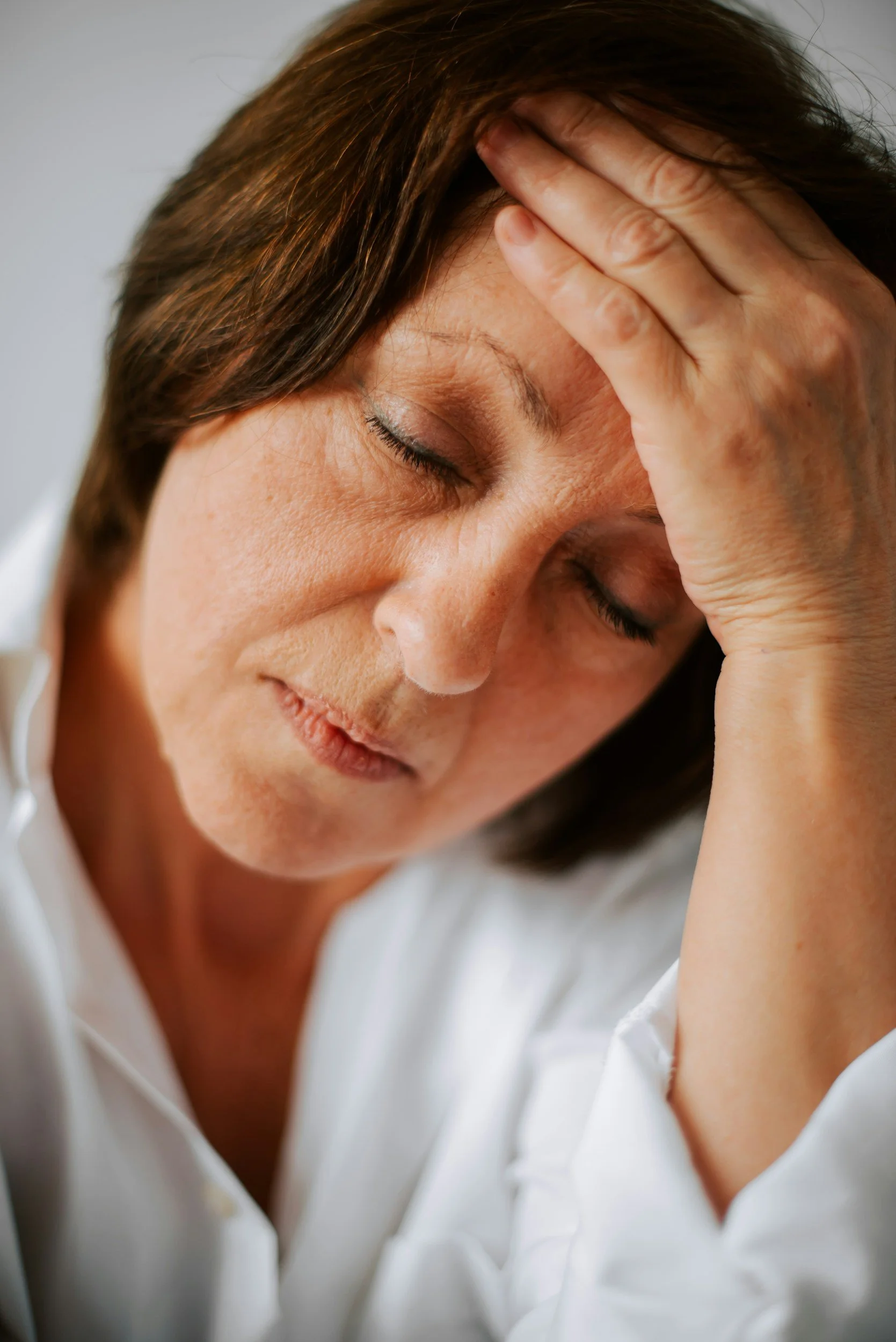
This hormonal fluctuation, not just decline, but wild swings, is what causes many of the symptoms women experience:
Hot flashes and night sweats
Irregular, heavier, or lighter periods
Sleep disturbances and fatigue
Mood changes: anxiety, irritability, low mood
Brain fog and difficulty concentrating
Vaginal dryness and changes in libido
Joint aches and changes in skin and hair
Long-Term Health Considerations
Western medicine also highlights important long-term shifts during this time. Declining estrogen affects bone density (raising osteoporosis risk), cardiovascular health, and metabolic function. This is why conventional medicine often emphasizes monitoring cholesterol, blood pressure, and bone health alongside symptom management.
Conventional treatment options include hormone replacement therapy (HRT), low-dose antidepressants for mood and hot flashes, and targeted medications for bone health. While these tools can be helpful, many women seek alternative or complementary approaches that may offer fewer side effects.
What Traditional Chinese Medicine Tells Us
The Kidney Yin Decline
In TCM, the menopausal transition is understood primarily as a natural decline of Kidney Jing (essence) and Kidney Yin. The Kidney system in Chinese Medicine governs reproduction, aging, hormonal function, and our deepest reserves of vitality. Think of Kidney Jing as your constitutional battery, inherited from your parents and slowly consumed over a lifetime.

As Kidney Yin declines, it can no longer anchor the body's Yang energy. This is what creates the classic "heat rising" pattern: hot flashes, night sweats, feeling warm in the evening, restlessness, and insomnia. The TCM principle here is that Yin (the cooling, nourishing, moistening force) can no longer balance Yang (the warming, active force).
The Role of the Heart, Liver, and Chong/Ren Vessels
In TCM, menopause isn't just a Kidney story. The Liver plays a central role in menstruation throughout a woman's life by storing Blood, ensuring the smooth flow of Qi, and regulating the cycle month to month. Alongside the Liver, two key meridians — the Chong Mai (Penetrating Vessel) and Ren Mai (Conception Vessel) provide the deeper reservoir of Blood and essence from which menstruation arises. Think of the Liver as the regulator, and the Chong and Ren as the well it draws from. As a woman moves through perimenopause and these vessels become depleted, the Liver's ability to move Blood smoothly is compromised, and its relationship with the Heart and Kidneys becomes increasingly important to support.:
Liver Qi Stagnation contributes to mood swings, irritability, and irregular cycles
Heart-Kidney Disharmony leads to insomnia, palpitations, and anxiety
Liver and Kidney Yin Deficiency causes dryness, night sweats, and dizziness
Spleen Qi Deficiency can lead to fatigue, bloating, and weight changes
This is why two women with the same Western diagnosis can present very differently in a TCM office and why TCM treatment is always individualized based on a patient's unique pattern of imbalance.
How Acupuncture Can Help
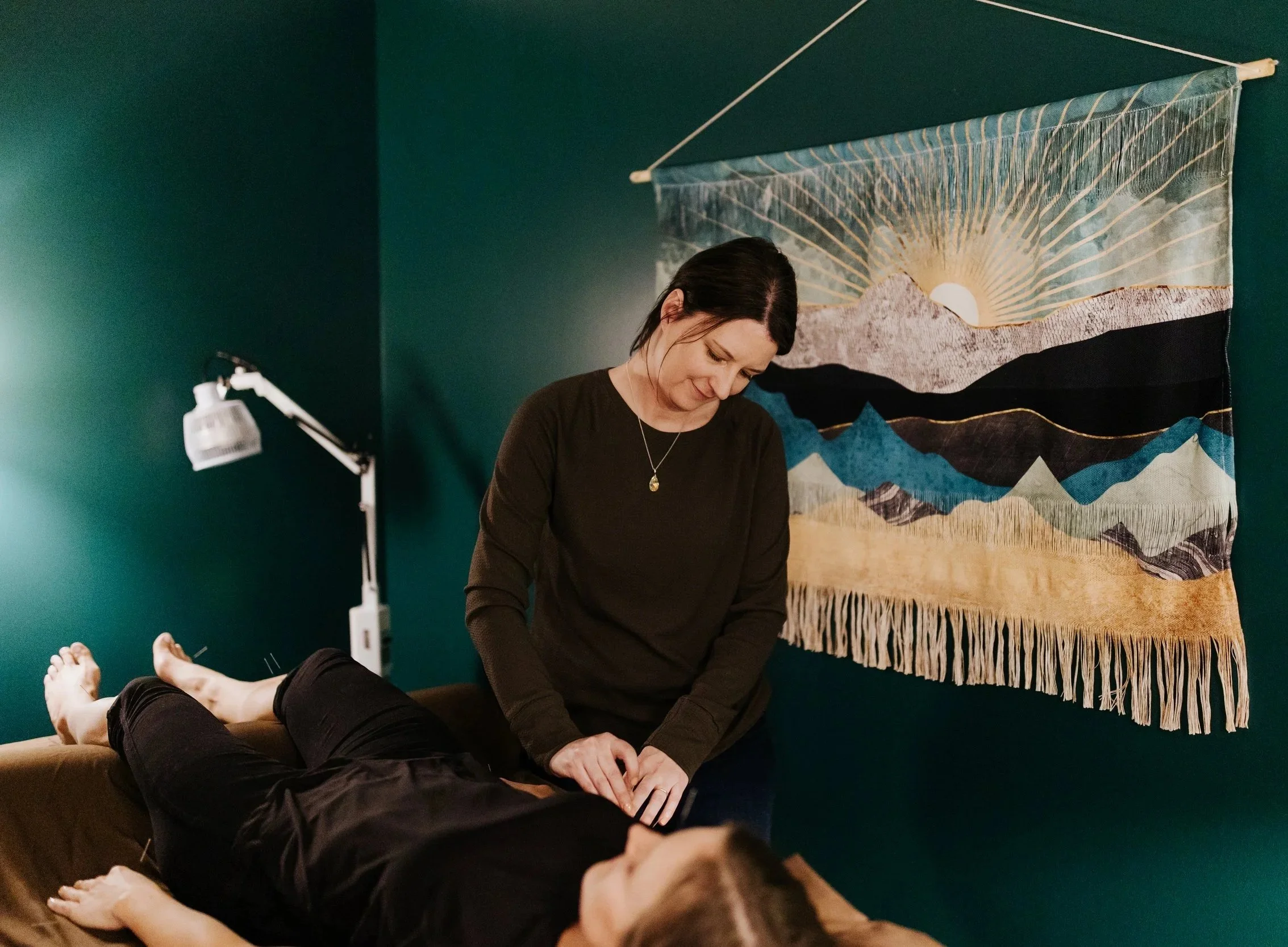
Acupuncture has been used for thousands of years to support women through hormonal transitions, and modern research is beginning to catch up. Studies have shown acupuncture can help reduce the frequency and severity of hot flashes, improve sleep quality, ease anxiety and mood symptoms, and support overall sense of wellbeing during menopause.
Key Points and What They Do
As your acupuncturist, I will tailor your treatment to your specific TCM pattern, but some commonly used points for menopausal support include:
HT 6 (Yinxi) — Clears heat from the Heart, addresses night sweats
PC 6 (Neiguan) — Calms the mind, supports Heart health, eases anxiety
LV 3 (Taichong) — Moves Liver Qi, reduces irritability and tension
KD 3 (Taixi) — Nourishes Kidney Yin and anchors Yang
SP 6 (Sanyinjiao) — Supports the Liver, Spleen, and Kidney; regulates hormones
CV 4 (Guanyuan) — Tonifies the Ren Mai, warms the lower jiao
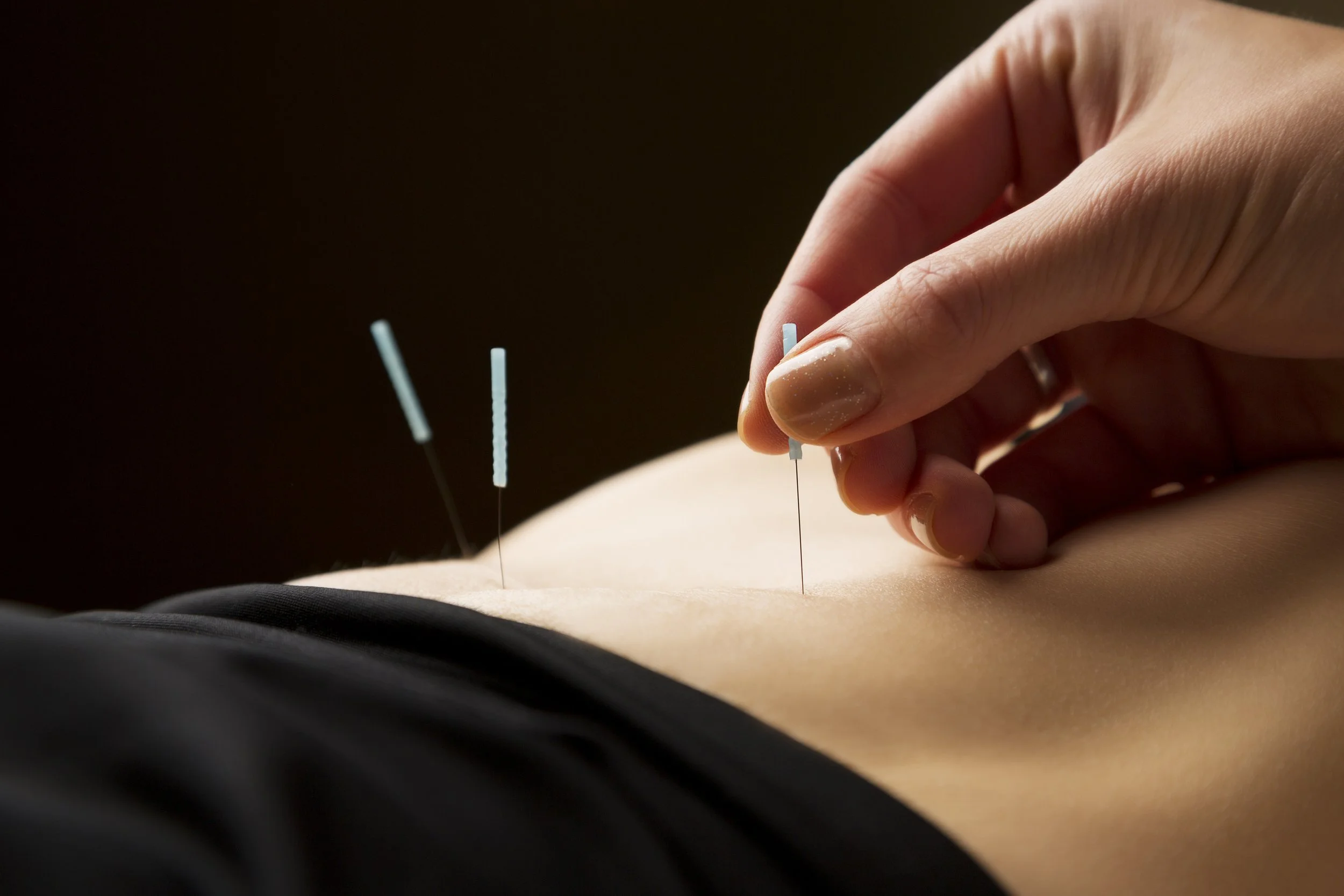
Regular sessions (often weekly or bi-weekly at first) can create cumulative benefit. Many women notice improved sleep and reduced hot flashes within 4–6 treatments, with more sustained changes over a 3-month course of care.
Herbal Medicine for Perimenopausal & Menopausal Support
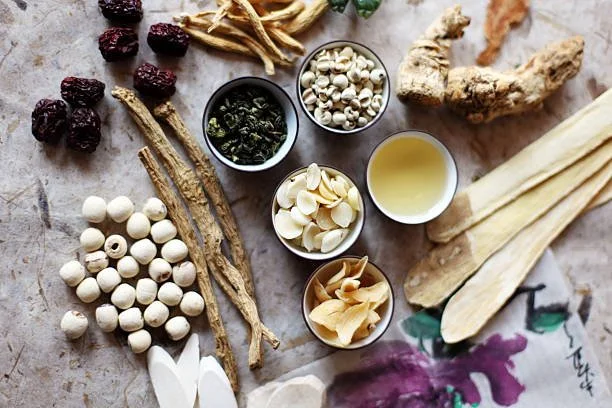
Chinese herbal medicine offers a rich toolkit for supporting hormonal balance and formulas can be tailored to your specific pattern. While traditionally herbs were cooked in a tea, most of my patients prefer herbal formulas in capsule, tablet or tincture form for easier use. Some well-known classical formulas and modern modifications of those formulas used for menopausal symptoms include:
*Important note: Herbal medicine should always be prescribed by a qualified TCM practitioner based on your individual pattern. Self-prescribing can be ineffective or counterproductive, and some herbs interact with medications.
Liu Wei Di Huang Wan (Six Flavor Rehmannia)
The foundational formula for Kidney Yin deficiency. It nourishes and tonifies Yin, clears deficient heat, and supports the Kidney-Liver axis. Often used for night sweats, dryness, dizziness, and low back soreness.
Zhi Bai Di Huang Wan
A modification of Liu Wei Di Huang Wan with the addition of Zhi Mu and Huang Bai to clear more significant heat and fire. Well-suited for women with pronounced hot flashes, flushing, and irritability.
Jia Wei Xiao Yao San (Free and Easy Wanderer Plus)
Addresses Liver Qi stagnation with Yin deficiency and heat. Ideal for women experiencing mood swings, anxiety, irritability, fatigue, and irregular cycles alongside heat symptoms. I use this and a similar formula in my clinic from Evergreen Herbs called Calm that adds additional calming herbs to the traditional formula.
Gui Pi Tang (Restore the Spleen Decoction)
Supports Heart and Spleen, nourishes Blood, and calms the mind. Useful when insomnia, palpitations, worry, and fatigue are prominent features. I use this formula and a slightly modified version from Evergreen herbs called Schisandra ZZZ that has additional support for sleep.
Balance Heat (from Evergreen Herbs)
This is a modern herbal formulation I use frequently. It nourishes kidney yin, clears deficiency heat, calms the shen (spirit) and stops perspiration. It’s clinical applications include hot flashes, night sweats, insomnia, mood swings, emotional instability and irritability.
Balance Spring (from Evergreen Herbs)
This is a modern herbal formulation specifically formulated for vaginal dryness and atrophy. The herbs in this formula nourish the liver blood, strengthen the spleen, tonify kidney yin/jing and move blood in the lower body.
Supporting Yourself Through the Transition
In addition to acupuncture and herbs, lifestyle practices rooted in TCM wisdom can make a meaningful difference:
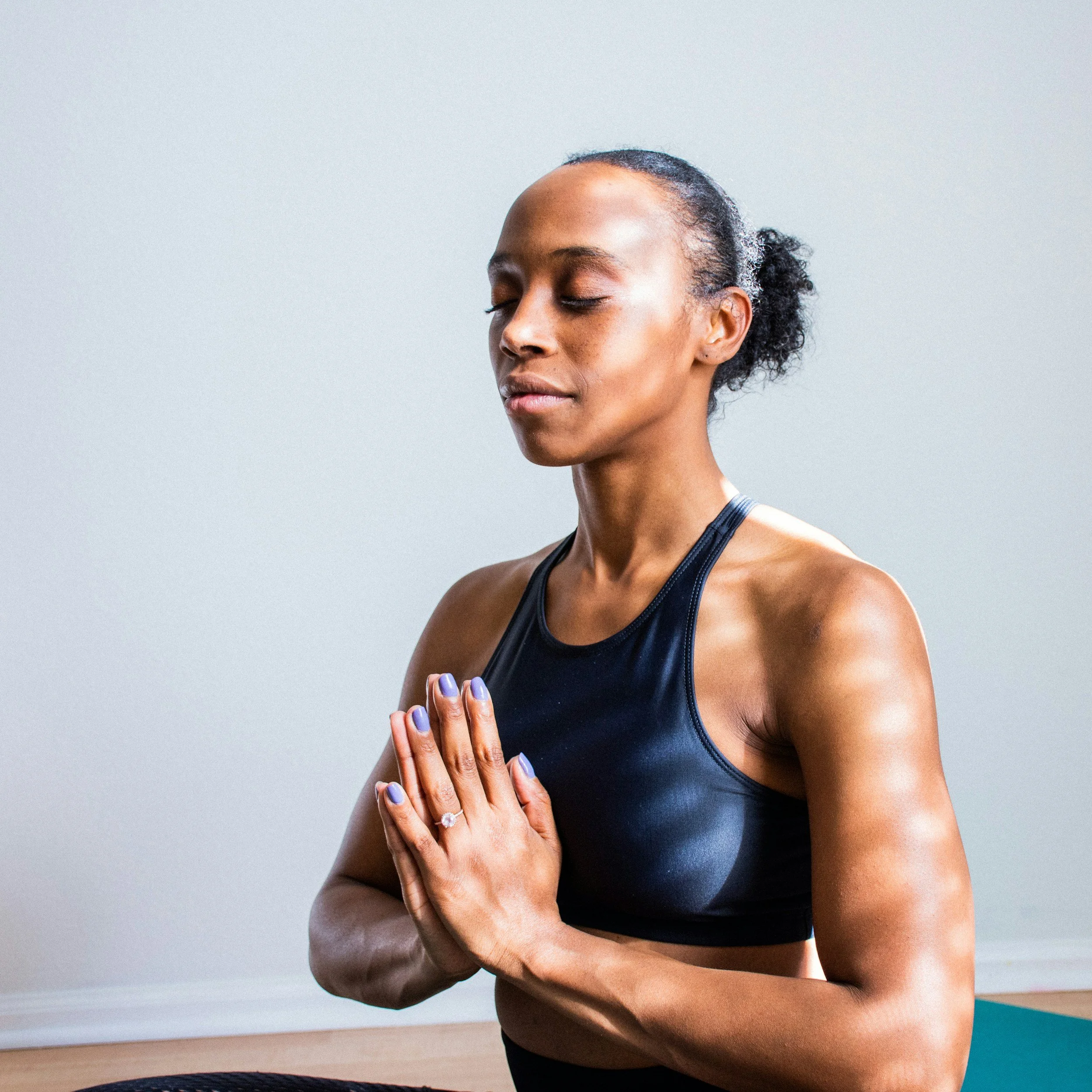
Prioritize sleep and aim for consistent sleep and wake times
Eat warming, nourishing foods: congee, soups, cooked vegetables and reduce cold, raw, and spicy foods that stress digestion and generate heat
Reduce alcohol and caffeine, which can aggravate hot flashes and disrupt sleep
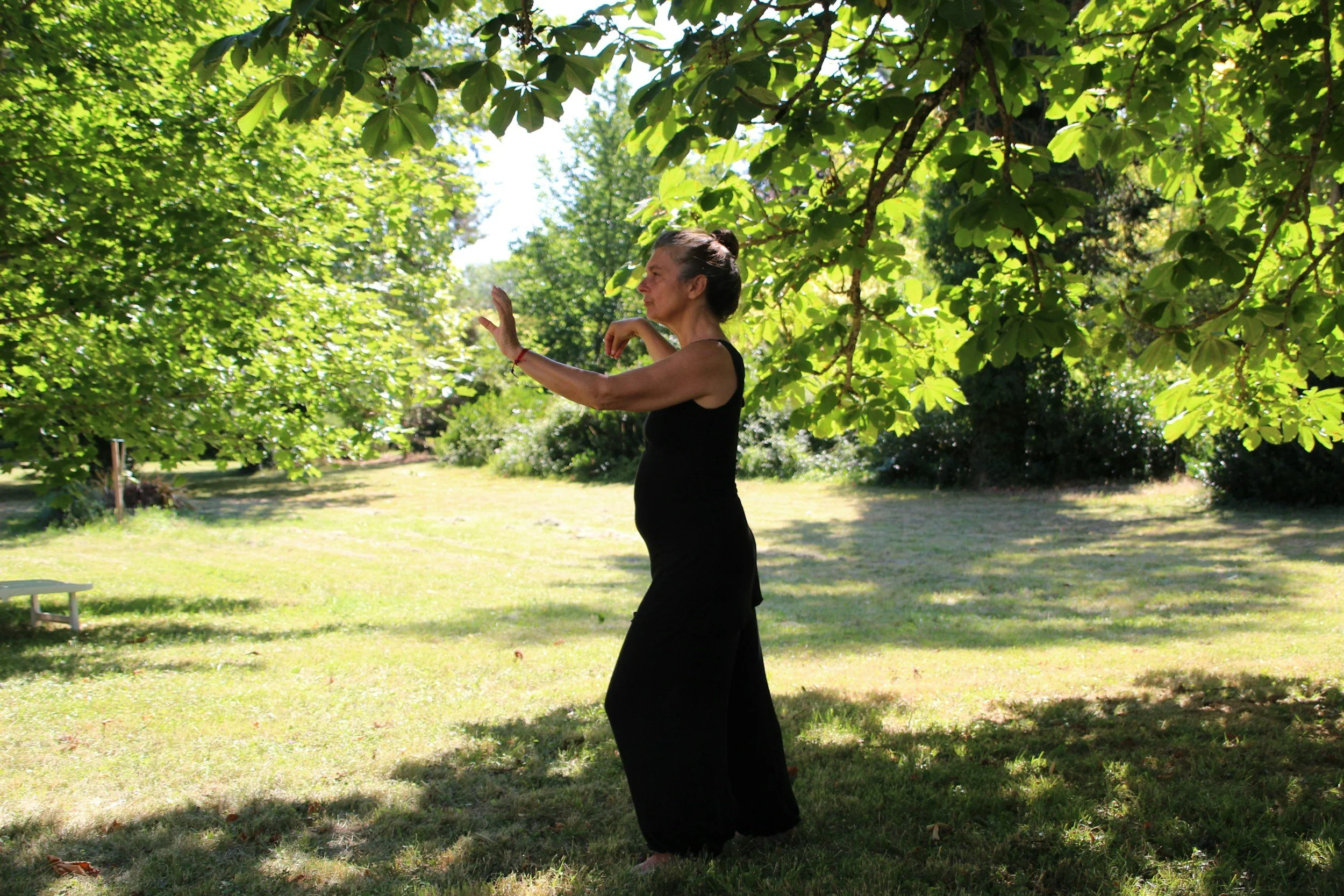
Practice Qi Gong, Tai Chi, meditation or gentle yoga to regulate the nervous system and support Kidney energy
Manage stress. Liver Qi stagnation worsens with chronic stress, so regular walks, creative expression, and connection matter
The Other Side of the Story: What You Stand to Gain
For all the discomfort that can accompany this transition, there is another conversation worth having, one that rarely makes it into the medical pamphlets. Many women emerge from this phase of life describing it as one of the most liberating chapters they’ve ever lived. Not in spite of the changes, but because of them.
A New Relationship With Yourself
Something quietly shifts in midlife. The relentless need to please, perform, and be palatable to everyone around you begins to loosen its grip. Many women describe a growing ease with saying no, setting boundaries, and simply caring less about external approval. This isn’t apathy, it’s clarity. The hormonal changes of this time, while sometimes turbulent, can also strip away layers of self-doubt and social conditioning, leaving something truer and more grounded underneath.

In TCM, this makes beautiful sense. The Kidney energy that governed reproduction now redirects inward, nourishing wisdom, depth, and inner authority. Many ancient cultures revered the postmenopausal woman as a keeper of wisdom precisely because her energy was no longer flowing outward into fertility and childrearing, but deepening within.
Room to Rediscover What You Want
For women who have spent decades caring for children, partners, parents, and colleagues, perimenopause often coincides with a natural opening of space. Children grow more independent. Careers find their stride. The relentless busyness of early motherhood softens. And suddenly there is a question, sometimes thrilling, sometimes terrifying: What do I actually want now?
This is a genuine invitation to revisit passions that were set aside, to explore new creative outlets, to travel, to rest without guilt, or simply to spend a Sunday morning exactly as you please. Your needs and desires are not less important than they were at 30. But they may, in fact, be clearer and more honest than ever.
The Gifts of Accumulated Wisdom
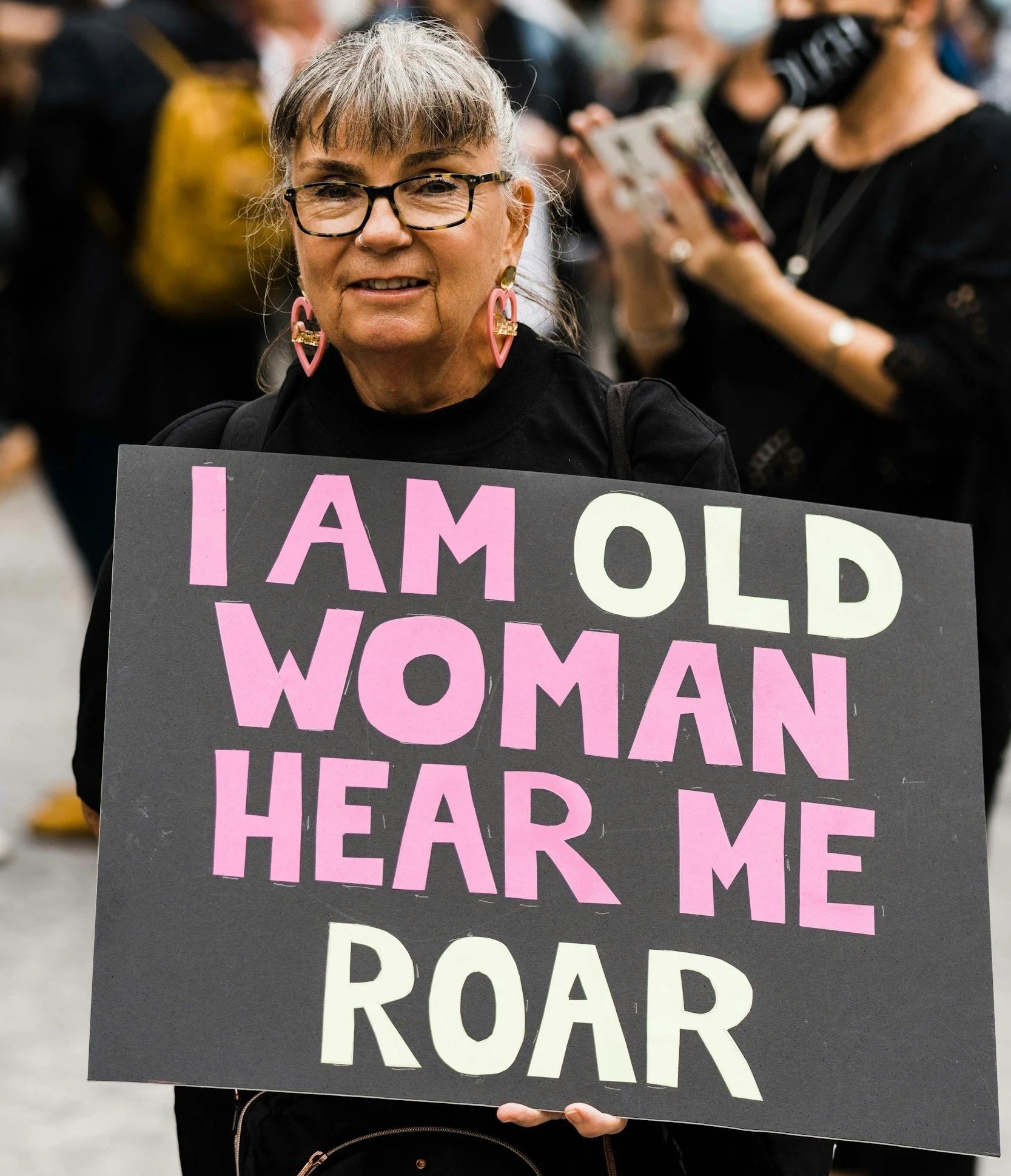
You know things now that you simply couldn’t have known at 25. You know how to navigate hard seasons. You know which relationships truly nourish you and which ones drain you. You have lived through enough to trust yourself more deeply. This kind of embodied wisdom, earned through real life experience, is something no supplement can replicate.
Many women describe a growing sense of perspective during this time, an ability to distinguish what truly matters from what was simply noise. Relationships become more authentic. Creativity often flourishes. Priorities align with actual values rather than external expectations. The urgency to keep up with everyone else tends to fade, replaced by something quieter and more sustainable.
Freedom From the Monthly Cycle
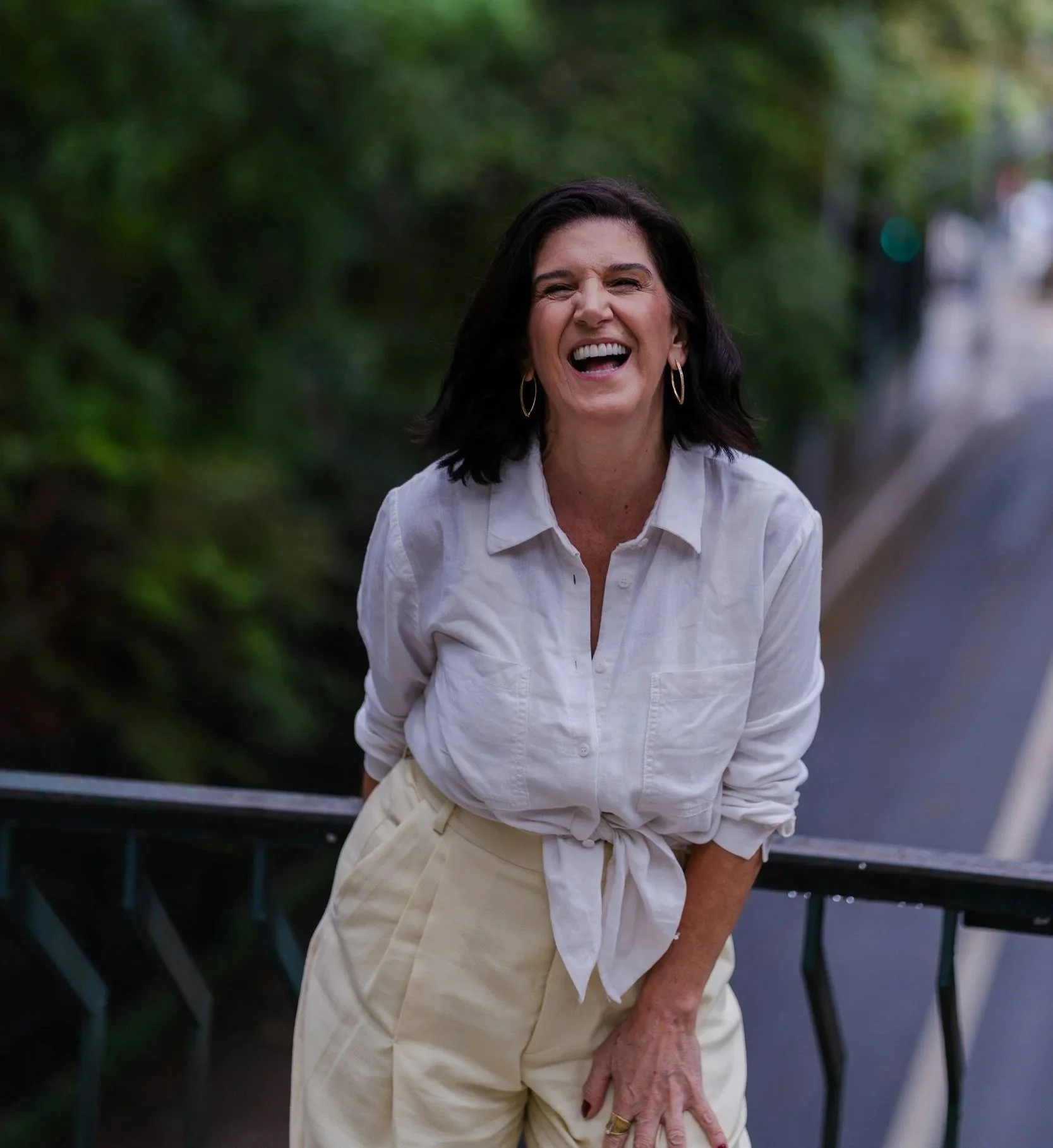
It’s worth saying plainly: no more periods. No more tracking, cramping, or planning your life around your cycle. No more PMS, flooding, or worry about leaks. For many women, especially those who struggled with difficult cycles, endometriosis, fibroids, or severe PMS for decades, this is a profound and underappreciated relief. Your body has completed a remarkable chapter of its reproductive life, and that is worth acknowledging.
You are not declining. You are transitioning. On the other side of this passage is a version of yourself that is more fully, freely, authentically you.
You were never meant to just cope

Perimenopause and menopause are not diseases. They are a natural rite of passage. But that doesn't mean you have to suffer through them without support. Whether you're dealing with hot flashes that disrupt your sleep, mood swings that feel out of character, or simply a sense that your body has shifted under your feet… there is help available.
Acupuncture and TCM work beautifully both as a standalone approach and alongside conventional care. Some women find that TCM alone: a combination of acupuncture, herbal medicine, and lifestyle shifts, gives them all the support they need to move through this transition with ease. Others prefer a combination approach, working with both their physician and their acupuncturist, addressing the physical and energetic layers of this transition together. There is no single right path. What matters is that you have options, that those options are tailored to your body and your values, and that you don't have to simply white-knuckle your way through this chapter. Many of my patients, whatever path they choose, describe feeling a sense of relief just knowing that real, meaningful support is available to them.

If you'd like to explore whether acupuncture and herbal medicine might be right for you, I invite you to Schedule a New Patient Visit. This is a time in life that deserves real attention and care, and you deserve to feel well.