Fibromyalgia Relief: What Acupuncture and Traditional Chinese Medicine Can Offer
If you have fibromyalgia, there's a good chance you didn't get diagnosed quickly, and an even better chance that somewhere along the way, a doctor made you feel like your pain wasn't real. You're not imagining that. Research backs it up: people with fibromyalgia wait an average of 2 to 6 years and see multiple physicians before getting a diagnosis, and surveys of physicians themselves show why. Roughly half say they weren't adequately trained to recognize it, many don't consistently apply the diagnostic criteria, and a striking number privately believe it's a "psychosocial" issue rather than a physical one. Younger patients get told they're too young to hurt this much. Women get told it's stress or anxiety. People of color report that clinicians misread their symptoms entirely, adding further delay.

None of that means the pain is any less real. It means the medical system has struggled to build a framework for a condition that doesn't show up clearly on a scan or a blood test, even though modern research increasingly points to real, measurable changes in how the fibromyalgia brain and nervous system process pain.
This post is for anyone who has felt dismissed and is looking for a way forward. We'll cover how fibromyalgia is understood in Western medicine, how it's understood in Traditional Chinese Medicine (TCM), what the research actually says about acupuncture, and some diet and lifestyle approaches worth considering. This isn't a substitute for medical care. It's a way to think about adding another tool to the toolbox, ideally alongside a healthcare team that takes you seriously.
Fibromyalgia Through a Western Medical Lens
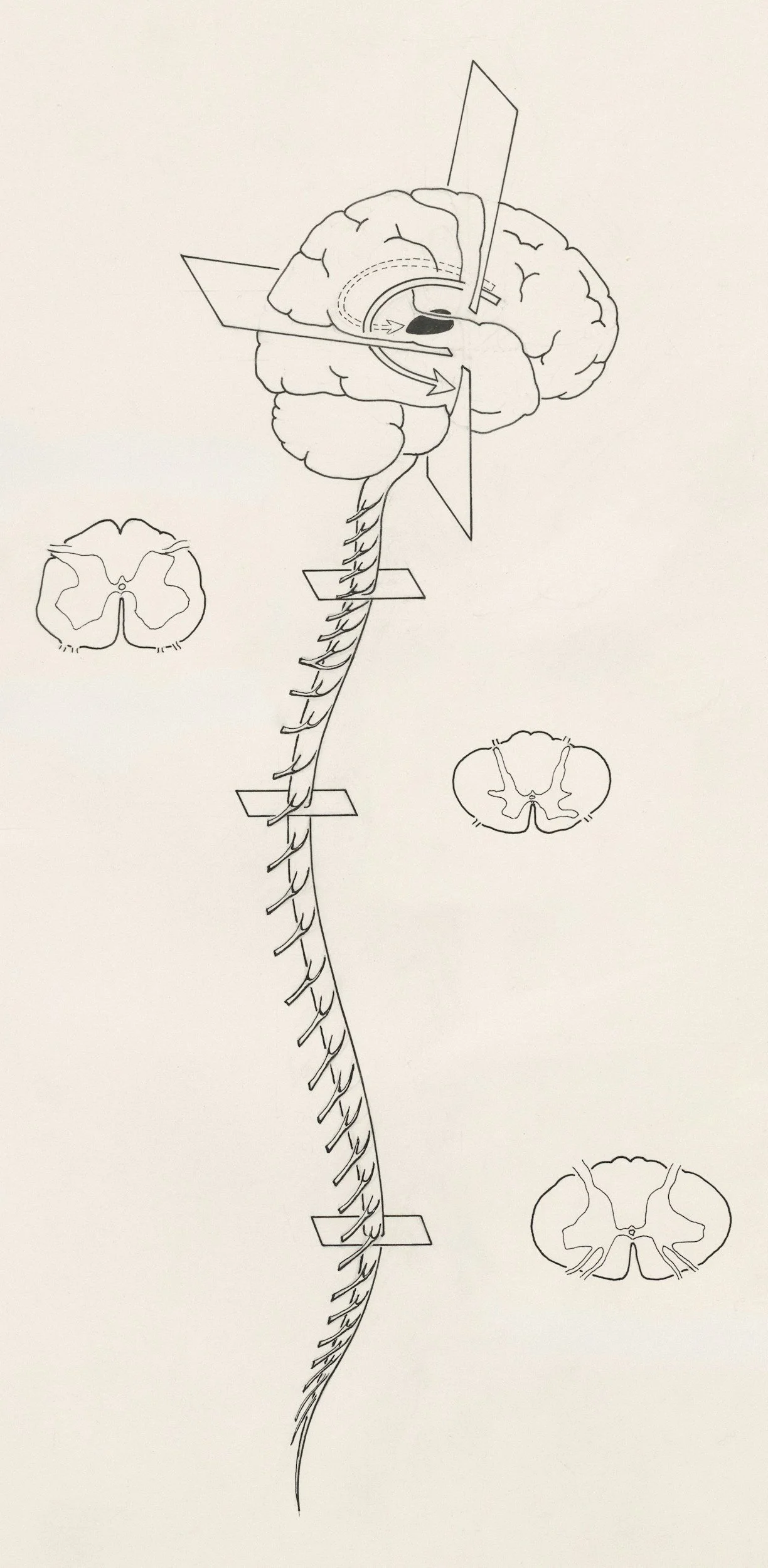
In conventional medicine, fibromyalgia is classified as a central sensitization syndrome. That's a technical way of saying the problem isn't in your muscles or joints, it's in how your central nervous system processes and amplifies pain signals. Neurotransmitters involved in pain and mood regulation, like serotonin, dopamine, and norepinephrine, tend to run low in people with fibromyalgia, while substance P, a neuropeptide linked to pain signaling, runs high. Functional MRI studies have shown that fibromyalgia patients' brains genuinely light up more intensely in response to the same painful stimulus compared to people without the condition. This isn't exaggeration, it's a documented difference in pain processing.
There's no single blood test or scan that confirms fibromyalgia. Diagnosis is based on widespread pain lasting three months or longer, along with fatigue, sleep disturbance, and cognitive symptoms often described as "fibro fog," after other conditions have been ruled out. Standard treatment usually involves a combination of medications, gentle exercise, cognitive behavioral therapy and sleep support. Many patients find real relief this way. Many others find that medications only take the edge off, or come with side effects that are hard to tolerate, which is part of why so many people go looking for complementary approaches like acupuncture.
Fibromyalgia Through a TCM Lens
Traditional Chinese Medicine doesn't have a category called "fibromyalgia," since the framework predates modern diagnostic categories. Instead, practitioners generally place fibromyalgia-type symptoms within patterns like Bi Syndrome, which loosely translates to "painful obstruction syndrome." The core idea in TCM is that pain results from something blocking the smooth flow of Qi (vital energy) and Blood through the body's channels, or meridians. When Qi and Blood can't move freely, the result is pain, stiffness, and, over time, fatigue.

A TCM practitioner assessing fibromyalgia will usually look for a few overlapping patterns:
Qi and Blood Stagnation: flow is blocked, causing widespread, sometimes migrating pain and tension.
Liver Qi Stagnation: often tied to stress and emotional strain, and associated with tightness, irritability, and pain that worsens under pressure.
Spleen Qi Deficiency: fatigue, brain fog, weak digestion and a general sense of depletion.
Kidney Yang Deficiency: deep, bone level fatigue, pain worsened by cold
Kidney Yin Deficiency: fatigue paired with restlessness (tired but wired), dryness, heat (hot flashes, night sweats, warm palms/soles)
Rather than treating "fibromyalgia" as one uniform disease, TCM treats the specific pattern each person is presenting, which is part of why two people with the same Western diagnosis might walk out of a TCM clinic with different acupuncture points, herbs, and lifestyle advice. It's an individualized system by design. Often someone may present with more than one TCM pattern. The body is complex!
How can Acupuncture help?

Pain reduction
Acupuncture triggers the release of endogenous opioids (beta-endorphins, enkephalins) at the spinal cord level, and activates the brain's descending pain-inhibitory pathways. These are the same pathways drugs like duloxetine target pharmacologically, just via a different route. At the molecular level, animal and mechanistic studies point to acupuncture modulating ion channels involved in pain signaling (like TRPV1 and various sodium channels) and reducing the elevated substance P levels seen in fibromyalgia patients. Since fibromyalgia pain is largely a problem of amplification rather than tissue damage, therapies that recalibrate the nervous system's volume knob, rather than targeting a specific injury, fit the underlying pathology reasonably well in theory.

Sleep quality
Poor sleep and fibromyalgia pain feed each other in a loop. Bad sleep worsens next-day pain sensitivity, and pain disrupts sleep. Acupuncture's calming effect on the autonomic nervous system (shifting the balance away from sympathetic "fight or flight" dominance, which fibromyalgia patients tend to show more of) is one proposed route to better sleep, alongside its effect on serotonin and other neurotransmitters involved in the sleep-wake cycle. In TCM terms, this translates into "calming the Shen" (spirit/mind), a stated goal of many point combinations used specifically for insomnia.

Mood, depression and anxiety
This is one of the more consistent findings across studies: acupuncture appears to have a "dual regulatory" effect, easing both pain and anxiety/depression symptoms simultaneously, likely because the same neurotransmitter systems (serotonin, endogenous opioids) are involved in both. Several trials have shown acupuncture outperforming standard drug treatment specifically on anxiety and depression scales in fibromyalgia patients, which matters a lot for quality of life, since mood and pain interpretation are so intertwined in this condition.
Fatigue and the autonomic nervous system
Fibromyalgia patients often show measurable autonomic dysfunction, elevated sympathetic tone, reduced heart rate variability, which is thought to contribute to the "wired but exhausted" fatigue so many describe. Acupuncture is theorized to help restore some parasympathetic ("rest and digest") balance, which, even without a dramatic pain change, could improve the sense of energy and recovery day to day. This is one of the more speculative mechanisms, but it lines up with why many patients report feeling calmer and more rested after sessions even when pain relief is modest.

Function and daily-life impact
A few trials have specifically measured quality-of-life instruments like the Fibromyalgia Impact Questionnaire (FIQ) rather than just pain scores, and found real movement. For example, a trial comparing acupuncture to a structured physiotherapy program found comparable improvements in overall quality of life, stiffness, and work capacity.

More than just pain relief
In TCM theory, treating Qi and Blood stagnation isn't narrowly about pain. Stagnation is considered the root of fatigue, brain fog, and mood disturbance too, since all of these are framed as downstream effects of the same blocked flow. TCM has never really separated "pain treatment" from "quality of life treatment" the way Western medicine's symptom-by-symptom model tends to. It approaches the whole pattern at once, which is why patients report broad, multi-symptom improvement rather than pain relief alone.
Diet and Lifestyle:
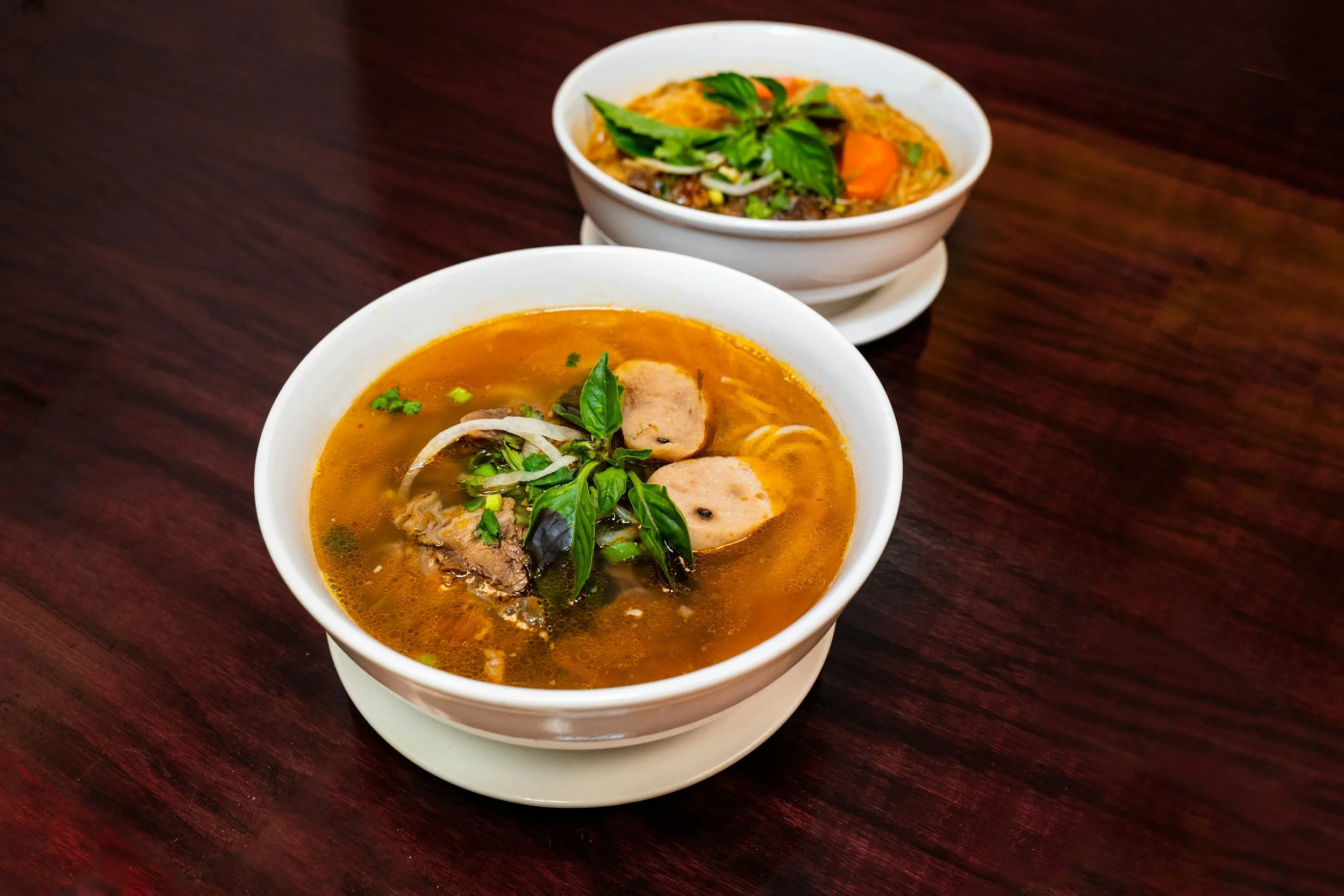
Warming, easily digested foods. In TCM, cold, raw foods (think smoothies, salads, iced drinks) are thought to strain digestion and worsen Spleen Qi deficiency, contributing to fatigue and brain fog. Cooked vegetables, soups, stews, warming spices like ginger and cinnamon, and moderate portions eaten at regular times are generally favored.
Reducing inflammatory and processed foods. While this isn't a TCM-specific concept, many practitioners and modern research both point toward minimizing sugar, alcohol, caffeine in excess, and heavily processed foods, since these can worsen sleep and pain sensitivity regardless of which framework you use to think about it.
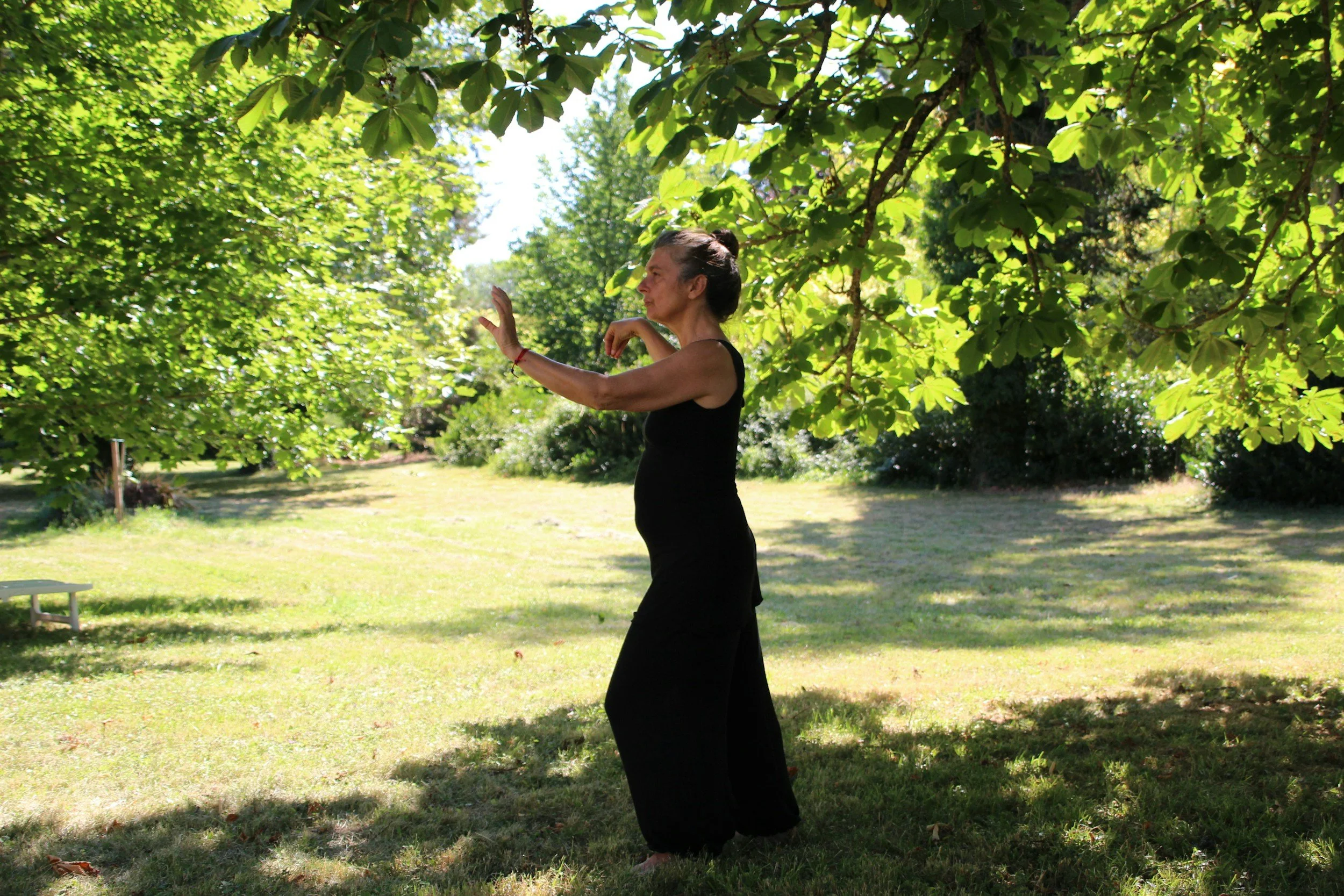
Gentle, consistent movement. TCM favors practices like Tai Chi and Qigong, slow, flowing movement paired with breathwork. These have a growing body of research support for fibromyalgia specifically, showing improvements in pain, sleep, and mood, likely because they combine gentle exercise with stress reduction without the joint strain or post-exertional flare-ups that more intense exercise can trigger.
Protecting sleep and rest cycles. Both systems agree sleep is foundational, not optional. TCM emphasizes going to bed before 11pm to support the Liver's role in "cleansing" Blood overnight, while Western sleep medicine emphasizes consistent sleep-wake times and winding down screens and stimulation before bed. Either way: irregular, poor-quality sleep tends to worsen fibromyalgia pain the next day.

Stress and emotional regulation. Because Liver Qi Stagnation is so tied to stress in TCM theory, practitioners often recommend regular stress-reduction practices: meditation, breathwork, time outdoors, not as an afterthought, but as core treatment. This lines up with the modern understanding that stress and pain amplification are deeply intertwined in fibromyalgia.
If You've Been Dismissed, Here's What Might Help
If you're navigating fibromyalgia and you've been made to feel like a burden, a hypochondriac, or "too complicated," that experience is common and it is not a reflection of whether your condition is real. A few things that tend to help people move forward:
Seek out clinicians who specialize in fibromyalgia: rheumatologists, pain specialists, or integrative medicine doctors who see it regularly tend to have far more confidence diagnosing and treating it than general practitioners who see it rarely.
Look for a licensed acupuncturist experienced with chronic pain or fibromyalgia specifically.
Keep a symptom log. It helps you advocate for yourself and gives any practitioner, Eastern or Western, better information to work with.
Think of TCM and acupuncture as complementary, not a replacement for medical care, especially since fibromyalgia symptoms can overlap with other conditions (like lupus or thyroid disorders) that do need to be ruled out or actively managed medically.

Fibromyalgia can be exhausting to live with, and it's made harder by a medical system that still doesn't always know what to do with it. Acupuncture and TCM offer something different: an approach built around treating your whole pattern of symptoms, not just a diagnosis code. As one part of a broader plan, alongside a medical team that actually listens to you, many people find real, meaningful relief this way, and it's worth giving yourself the chance to find out what it can do for you.