Most of us have experienced it, that uncomfortable bloat after a meal, the unpredictable stomach that seems to have a mind of its own, or the persistent fatigue that no amount of sleep seems to fix. In Western medicine, we often treat these symptoms in isolation. Traditional Chinese Medicine (TCM) takes a different approach: it sees your digestion as the very center of your health, and when it's struggling, everything suffers.
*To review TCM terms, see our first blog here
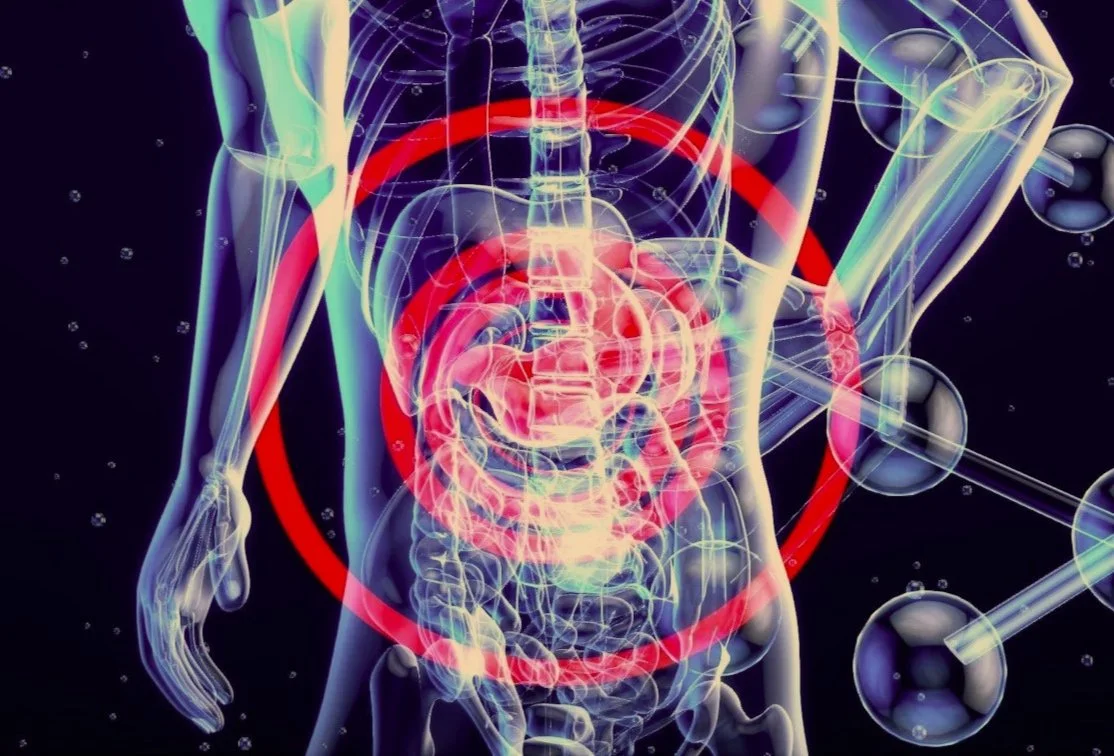
This post will walk you through how TCM understands digestion, the most common patterns that cause digestive trouble and the everyday food wisdom that can support your gut from the inside out. See your acupuncturist if you would like an herbal medicine consult for your digestive issues. Some herbs are contraindicated with certain medications, supplements and health conditions.
The Digestive System in TCM: The Middle Burner (Middle Jiao)
In TCM, digestion is governed primarily by two organs: the Spleen and the Stomach which are part of the Earth element. It's worth noting that these aren't identical to their Western anatomical counterparts. In TCM, they represent functional systems that govern how we process food, absorb nutrients, and distribute energy throughout the body.
The Stomach receives food and begins the process of "rotting and ripening" it, essentially breaking it down. The Spleen then transforms that food into usable energy (called Qi) and blood, and transports those nutrients where they need to go.
Together, they form what TCM calls the Middle Jiao (or Middle Burner), and they are considered the root of Qi and blood production after birth. A strong Middle Jiao means good energy, clear thinking, healthy muscles, and a robust immune system. A weakened one means fatigue, bloating, loose stools, brain fog, and a tendency to catch every illness that comes around.
Common TCM Pattern Diagnoses for Digestive Issues
TCM doesn't diagnose by symptom alone. It looks at the whole picture: your tongue, your pulse, your lifestyle, your emotional patterns. That said, there are several common patterns that show up repeatedly in people with digestive complaints.
1. Spleen Qi Deficiency
This is probably the most common digestive pattern seen in clinical practice. Think of it as an underpowered digestive engine. The Spleen simply doesn't have enough energy to do its job properly.

You might recognize it as: bloating after meals, fatigue (especially after eating), loose or poorly formed stools, a pale or sallow complexion, low appetite, and a tendency to feel heavy or sluggish. The tongue is often pale with a thin white coating.
The underlying story: In TCM, this pattern is often caused or worsened by overwork, worry and overthinking (the Spleen is closely linked to the emotion of pensiveness), irregular eating habits, and eating too many cold or raw foods.
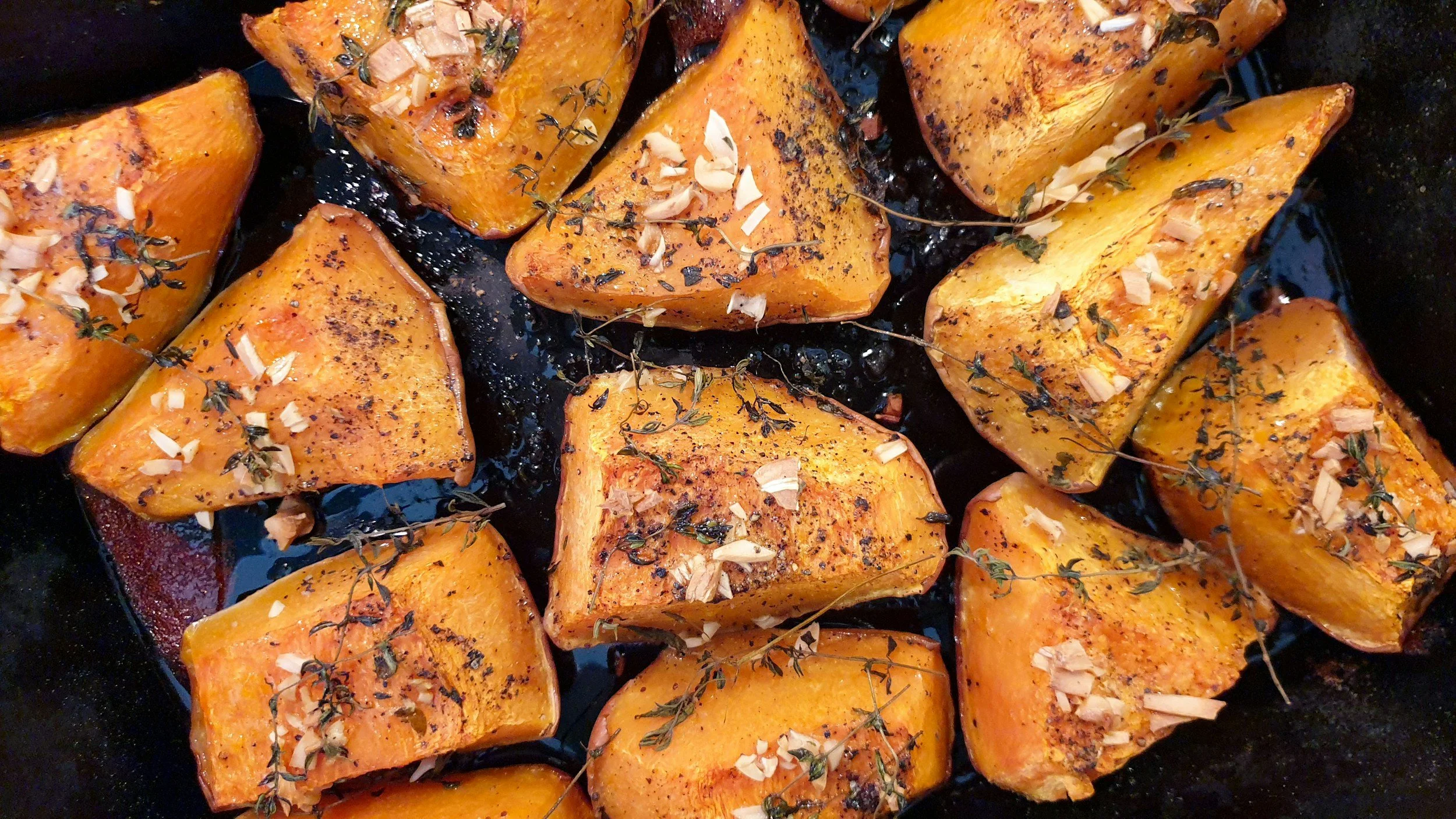
Dietary advice: Warm, cooked foods are your best friend here. Think congee (rice porridge), soups, steamed vegetables, and well-cooked grains. Small, regular meals are better than large, sporadic ones. Avoid cold drinks (especially iced water, which TCM considers particularly damaging to Spleen Yang), raw salads eaten in excess, and skipping meals. Lightly sweet foods like sweet potato, squash, and dates gently support the Spleen.
2. Spleen Qi Sinking
When Spleen Qi deficiency becomes more severe or prolonged, it can progress into a pattern called Spleen Qi Sinking. One of the important functions of Spleen Qi is to hold things up. It maintains the position of organs and keeps Qi moving upward in the body. When it's too weak to do this, things begin to prolapse or descend that shouldn't.

You might recognize it as: a heavy, dragging sensation in the lower abdomen, chronic diarrhea or difficulty controlling bowel movements, prolapse of the rectum, uterus, or stomach, urinary incontinence or frequency, and a general sense of heaviness and exhaustion. Fatigue is often pronounced. People with this pattern frequently feel they simply cannot hold themselves up. The voice may be weak and the person may feel worse with any physical exertion.
Dietary advice: This mirrors that of Spleen Qi deficiency. Eat warm, cooked, easily digestible foods but with extra attention to avoiding anything that encourages downward movement: excessive cold foods, heavy meals, and straining during bowel movements. Moderate, gentle movement like walking or qi gong is encouraged, while intense exercise that strains the abdomen or pelvic floor should be approached cautiously.
3. Spleen and Stomach Dampness (Damp Accumulation)
When the Spleen is weak, it can't transform fluids properly, and they begin to accumulate as "Dampness”. This a heavy, sluggish pathological substance that gunks up the digestive works.

You might recognize it as: a feeling of heaviness or fullness in the stomach, nausea, a sticky or greasy feeling in the mouth, little to no thirst, loose stools, and a general sense of muddiness in the head. The tongue typically has a thick, greasy coating.
The underlying story: Dampness is often worsened by diet, specifically overconsuming dairy, greasy or fried foods, sugar, alcohol, and cold raw foods. It can also develop in people who live or work in damp environments.
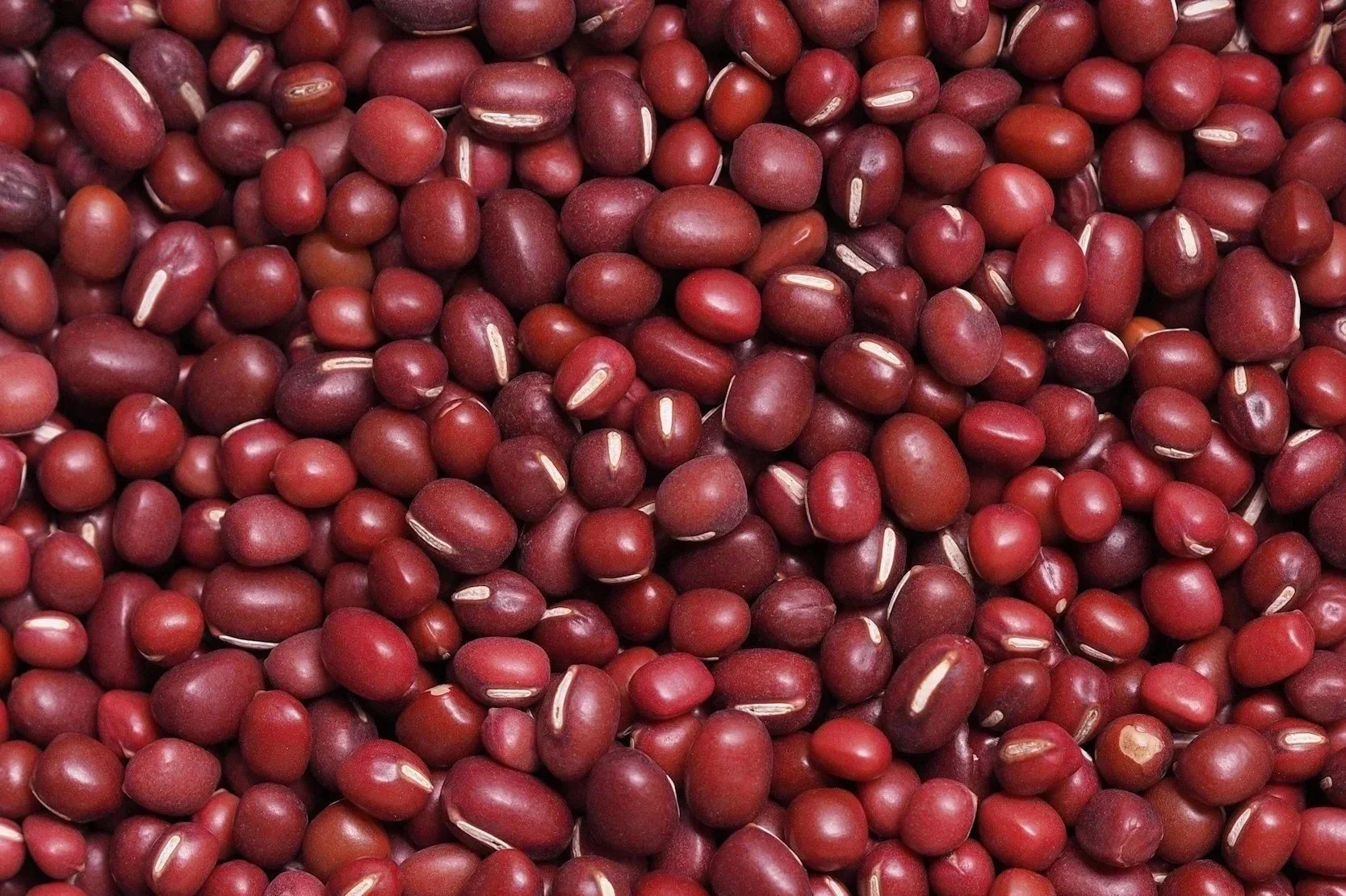
Dietary advice: Avoid foods that generate dampness: dairy products, greasy or deep-fried foods, refined sugar, excess fruit, cold smoothies, and alcohol. Consider foods that dry dampness and support digestion: barley, aduki beans, Job's tears (Yi Yi Ren), radish, turnip, and aromatic spices like cardamom and ginger. Eat modest portions and avoid eating late at night.
4. Liver Qi Stagnation Affecting the Spleen and Stomach
In TCM, the Liver is responsible for the smooth flow of Qi throughout the body. When stress, frustration, or unexpressed emotions cause the Liver Qi to stagnate, it can "invade" the digestive system, much like how stress gives so many of us stomach aches or irritable bowels. Patients with IBS often fall under this category.

You might recognize it as: bloating that comes and goes, abdominal pain that improves with passing gas or a bowel movement, alternating constipation and loose stools, a tendency to feel worse when stressed, belching, and sighing. The tongue may have red edges.
The underlying story: This is the TCM equivalent of the gut-brain axis. Chronic stress, suppressed anger, and emotional tension are the primary drivers. It's extremely common in modern life.
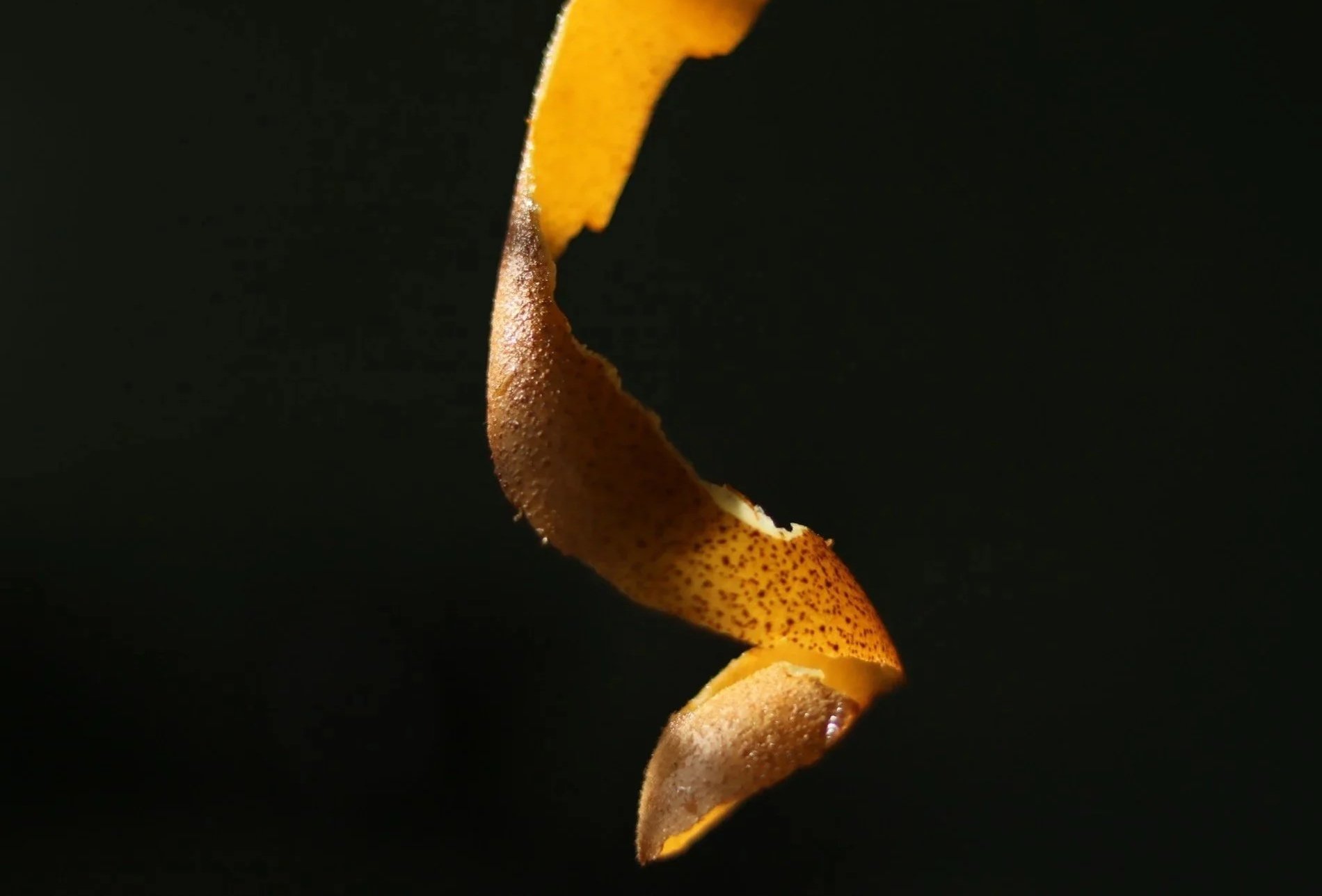
Dietary advice: Foods that move Qi and support the Liver are helpful: citrus peel, rose petals (as a tea), turmeric, leeks, onions, and fennel. Avoid excessive alcohol (which stresses the Liver in both TCM and Western medicine), very sour or greasy foods in excess, and eating at your desk while stressed. Regular mealtimes matter. Irregular eating worsens Liver and Spleen disharmony. And importantly: addressing the stress itself, through whatever means resonate with you, is essential.
5. Stomach Heat (and Stomach Fire)
This pattern is the opposite of deficiency. Here, there is too much heat in the Stomach, which speeds up and irritates digestive function.

You might recognize it as: constant hunger or ravenous appetite, burning sensations in the stomach, acid reflux or heartburn, bad breath, bleeding gums, a preference for cold drinks, constipation with dry stools, and a red tongue with a yellow coating.
The underlying story: Stomach Heat is often caused or aggravated by eating too many hot, spicy, or greasy foods, drinking alcohol, smoking, or by emotional stress that generates heat over time.
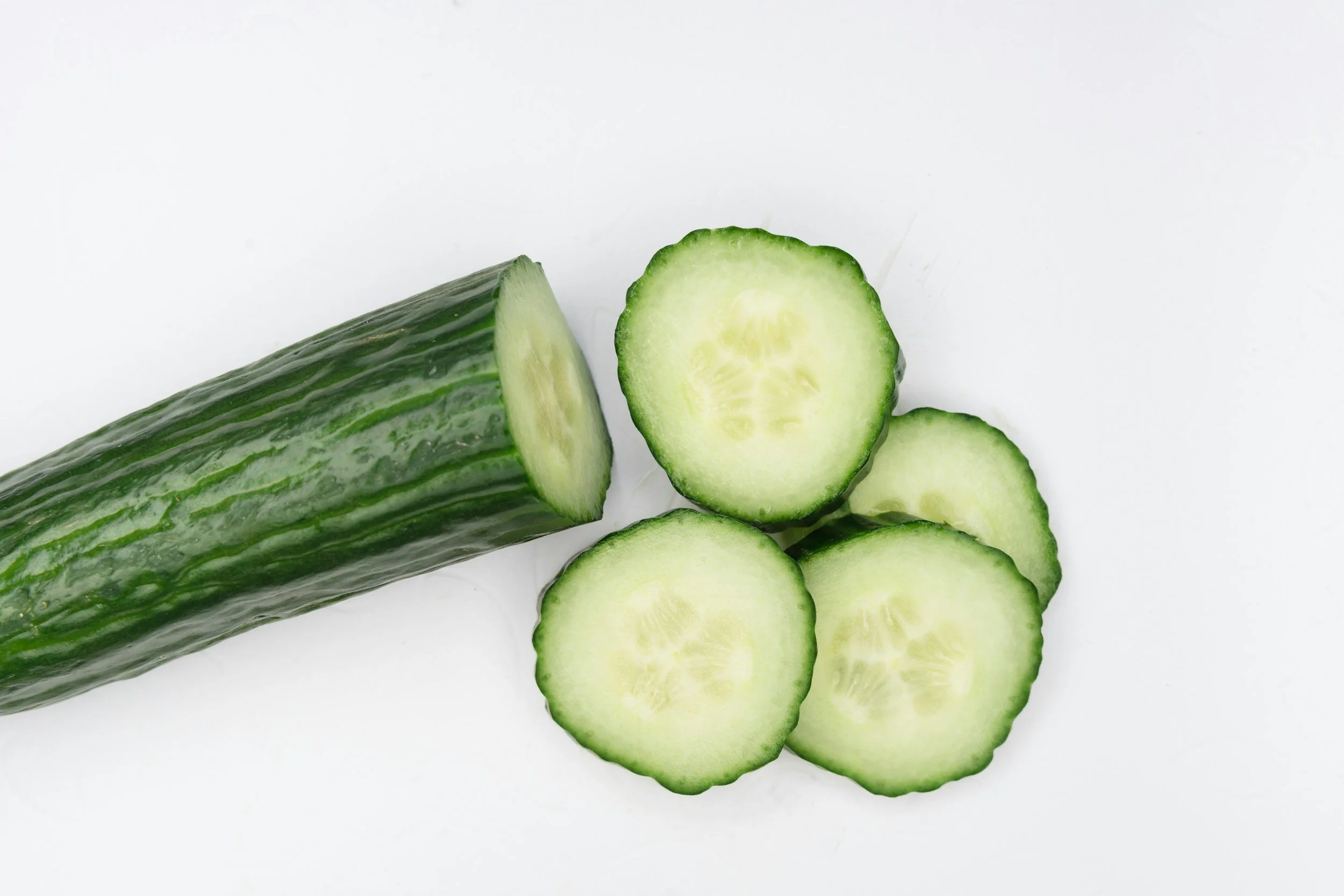
Dietary advice: Cool and clear foods are appropriate: cucumber, watermelon, mint, mung beans, tofu, green tea, and peppermint tea. Reduce or eliminate spicy foods, alcohol, coffee, and fried foods. Eating slowly and mindfully, rather than wolfing food down, helps reduce heat in the Stomach. Bitter foods in small amounts, like radicchio, dandelion greens, or bitter melon, can help clear heat.
6. Kidney Yang Deficiency with Cold in the Stomach
When digestive issues have been present for a long time, or in older individuals, the underlying problem can be a deeper deficiency, not just of the Spleen but of the body's foundational warmth, rooted in Kidney Yang.

You might recognize it as: very early morning diarrhea (often called "Cock’s Crow diarrhea"), cold pain in the abdomen that improves with warmth and pressure, cold limbs, low back pain, a pale swollen tongue, and a general aversion to cold.
The underlying story: This is a deeper, more chronic pattern. Kidney Yang is the root of all warmth in the body. When it's depleted, the digestive fire it normally supports dwindles.
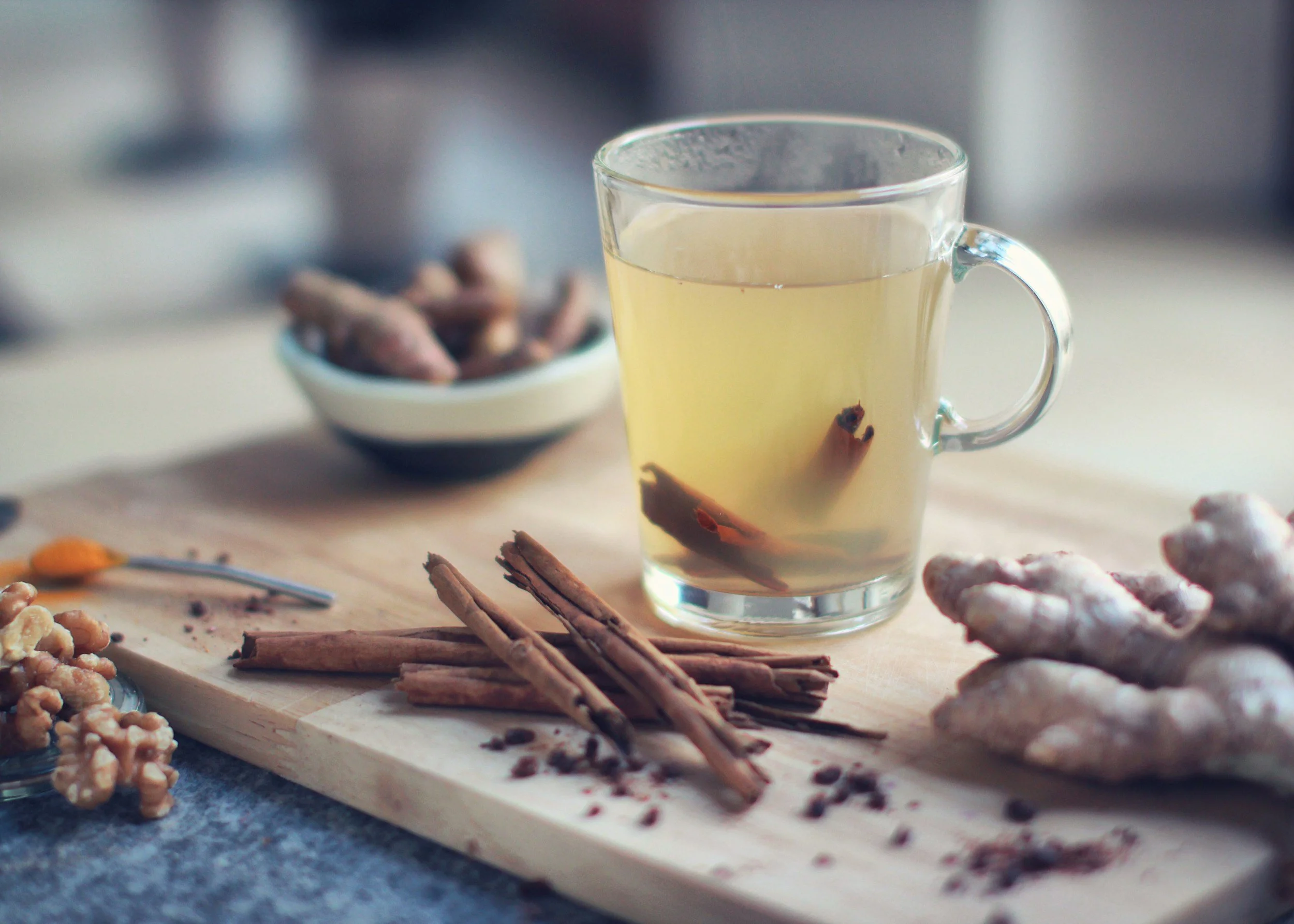
Dietary advice: Warming foods and spices are essential: ginger (especially cooked or dried), cinnamon, black pepper, lamb, walnuts, leeks, and congee made with warming ingredients. Avoid cold and raw foods entirely. Warm liquids at every meal. Eating breakfast is particularly important, as the early morning hours are when digestive Yang needs the most support.
7. Intestinal Dryness (Blood or Yin Deficiency)
This is one of the most common constipation patterns, particularly in older adults, postpartum women, and anyone who has been chronically unwell or depleted.
You might recognize it as: dry, hard, rabbit-pellet stools that are difficult to pass, infrequent bowel movements without a sensation of urgency or blockage, dry mouth and throat, possibly dizziness or a dull complexion. There is typically no pain or heat. The tongue is pale or red and dry, often with little coating.
The underlying story: When blood or Yin is insufficient, the intestines lose their moisture and lubrication. Think of it like a river running low, things simply stop moving. This pattern is common after blood loss, in the elderly, in people who eat very little fat or oil, and in those who have overused harsh laxatives, which damage fluids over time.
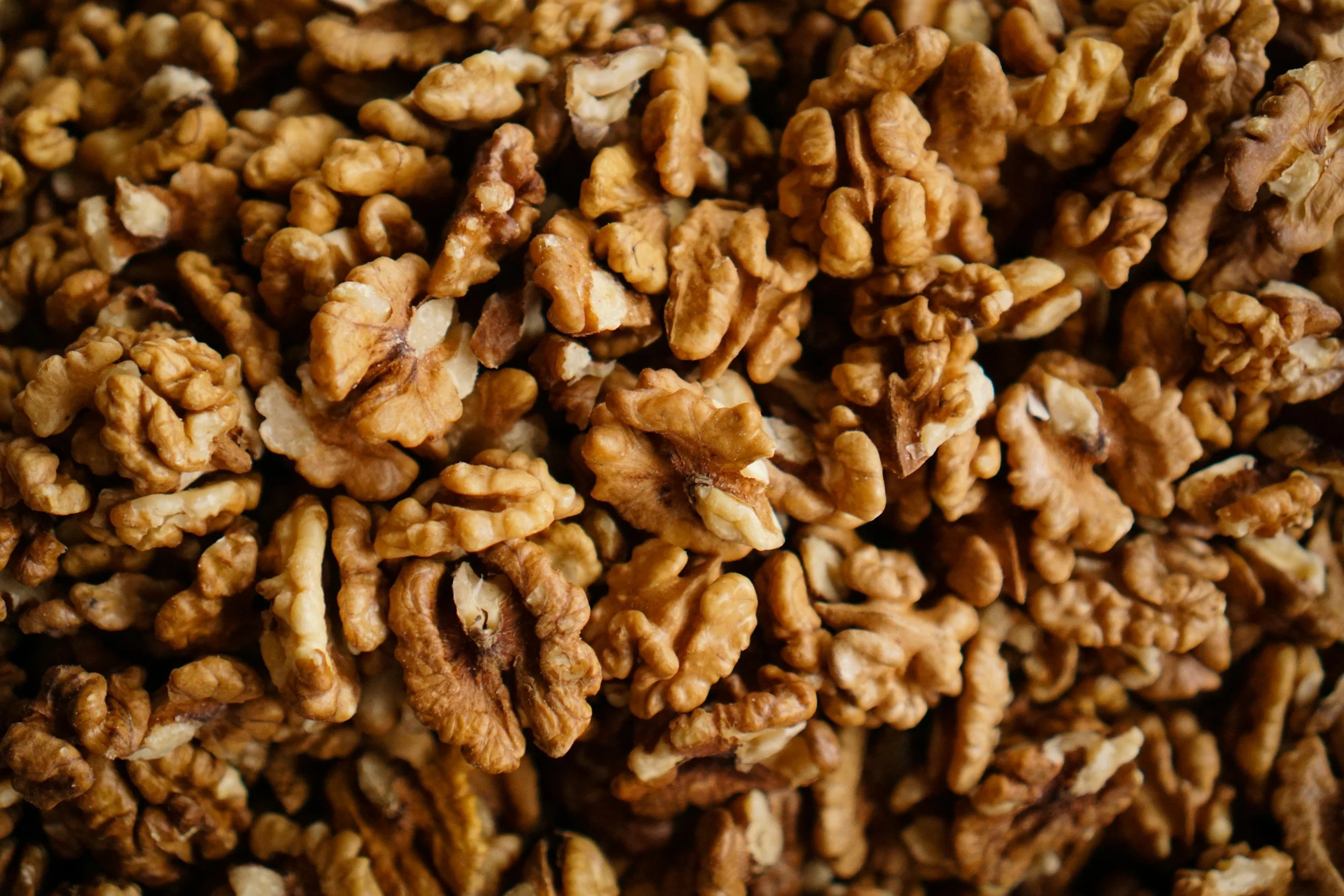
Dietary advice: Focus on moistening and lubricating foods: sesame seeds (especially black sesame), honey, pear, spinach, pine nuts, walnuts, flaxseed, and healthy fats like olive oil. Adequate fluid intake is important. Think of warm water and herbal teas rather than cold drinks. Avoid dry, rough, or overly spicy foods that further deplete fluids.
8. Qi Stagnation Constipation
Here the problem is not a lack of moisture but a lack of movement. Qi is stuck, and the bowels reflect that stagnation.

You might recognize it as: an urge to defecate that goes nowhere, a sensation of incomplete emptying, bloating and flatulence, abdominal distension that worsens throughout the day, and symptoms that are clearly worse during times of stress. Stools may be normal in consistency but difficult to pass. The tongue often has a thin white coating.
The underlying story: This pattern is closely linked to Liver Qi stagnation and is extremely common in people with sedentary lifestyles, high stress, or a tendency to suppress emotions. Prolonged sitting, lack of exercise, and irregular eating habits all contribute.
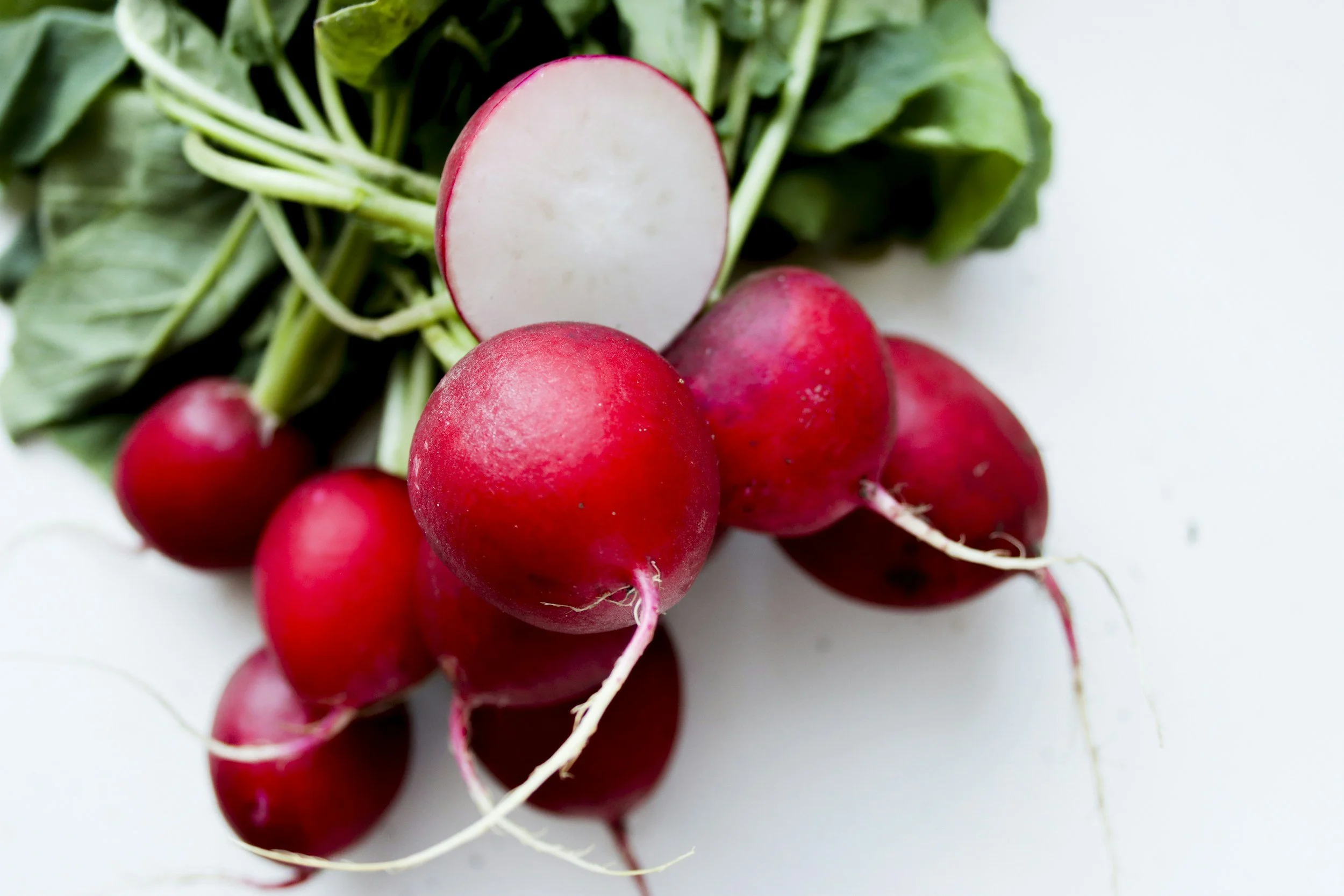
Dietary advice: Foods that move Qi are helpful: radish, fennel, citrus peel, leeks, and aromatic spices. Regular physical movement is genuinely medicinal for this pattern, even a short walk after meals can significantly help. Avoid eating large meals late at night, and establish consistent toilet habits to retrain the bowel rhythm.
9. Heat and Excess Constipation
This is the pattern most people picture when they think of constipation: a real blockage driven by heat and excess, rather than deficiency or stagnation.
You might recognize it as: infrequent, very dry and hard stools, a strong feeling of heat or burning in the abdomen, bad breath, a flushed face, thirst for cold drinks, and possibly irritability. The tongue is red with a thick dry yellow coating.
The underlying story: Excess heat dries out the intestinal contents, making them difficult to pass. This can come from eating too many hot, spicy, or greasy foods, from febrile illness, or from constitutional heat. It tends to be more acute than other constipation patterns.
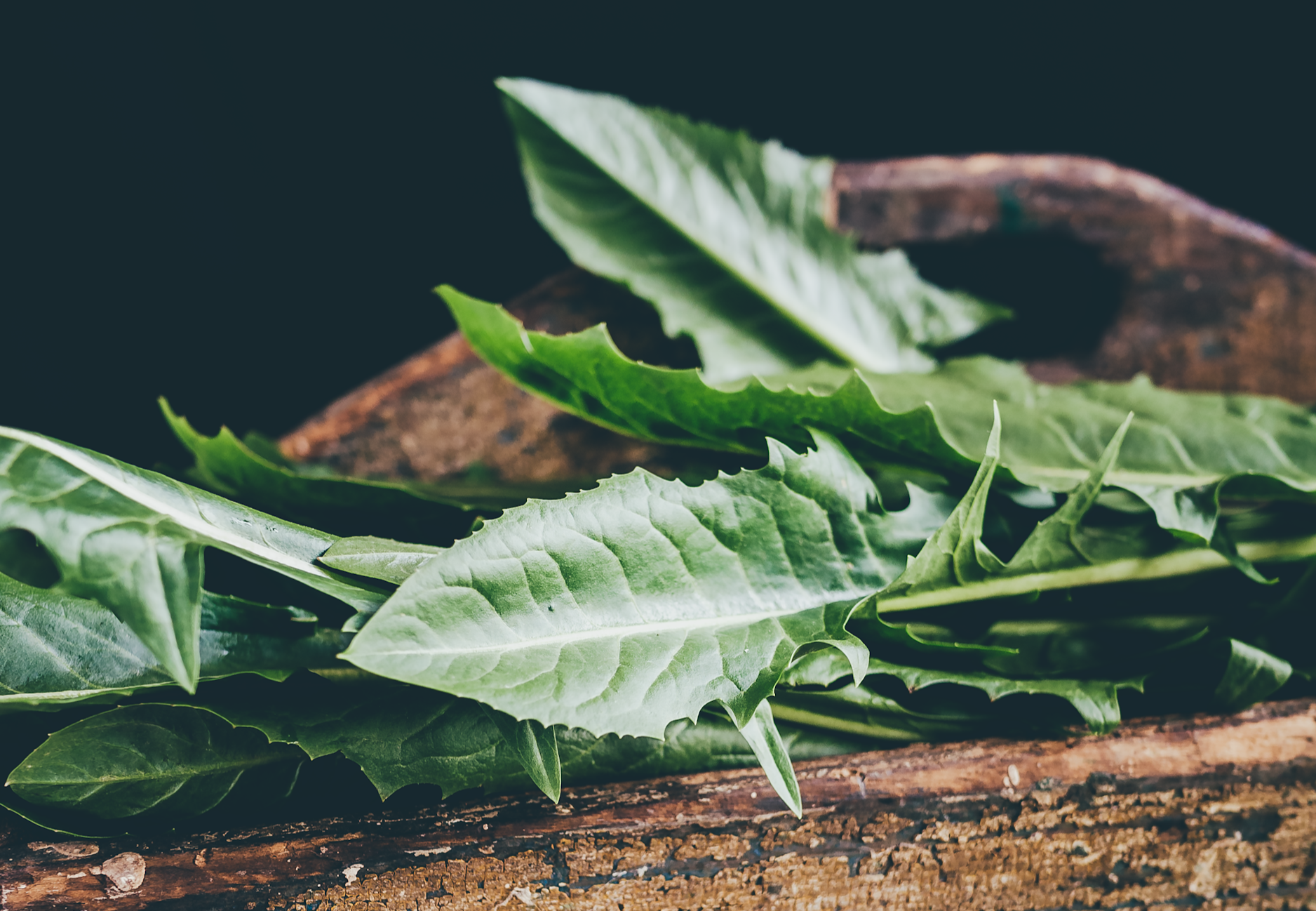
Dietary advice: Cooling foods are key: cucumber, watermelon, pears, mung beans, tofu, spinach, and plenty of warm or room-temperature water. Reduce or eliminate alcohol, spicy foods, fried foods, and red meat. Bitter vegetables like dandelion greens and bitter melon help clear heat from the digestive tract.
10. Yang Deficiency Constipation
This is the cold version of constipation which is less commonly discussed but important, particularly in elderly patients and those with chronic illness.

You might recognize it as: infrequent stools that are not necessarily hard but are difficult to pass, a cold sensation in the abdomen, cold limbs, low energy, a preference for warmth, and possibly lower back soreness. There is no heat, no bloating, and no urgency. The tongue is pale with a white moist coating.
The underlying story: Just as Yang deficiency can cause diarrhea through lack of digestive fire, it can also cause constipation. The intestines simply lack the warmth and motility to move things through. This is sometimes called "cold constipation."
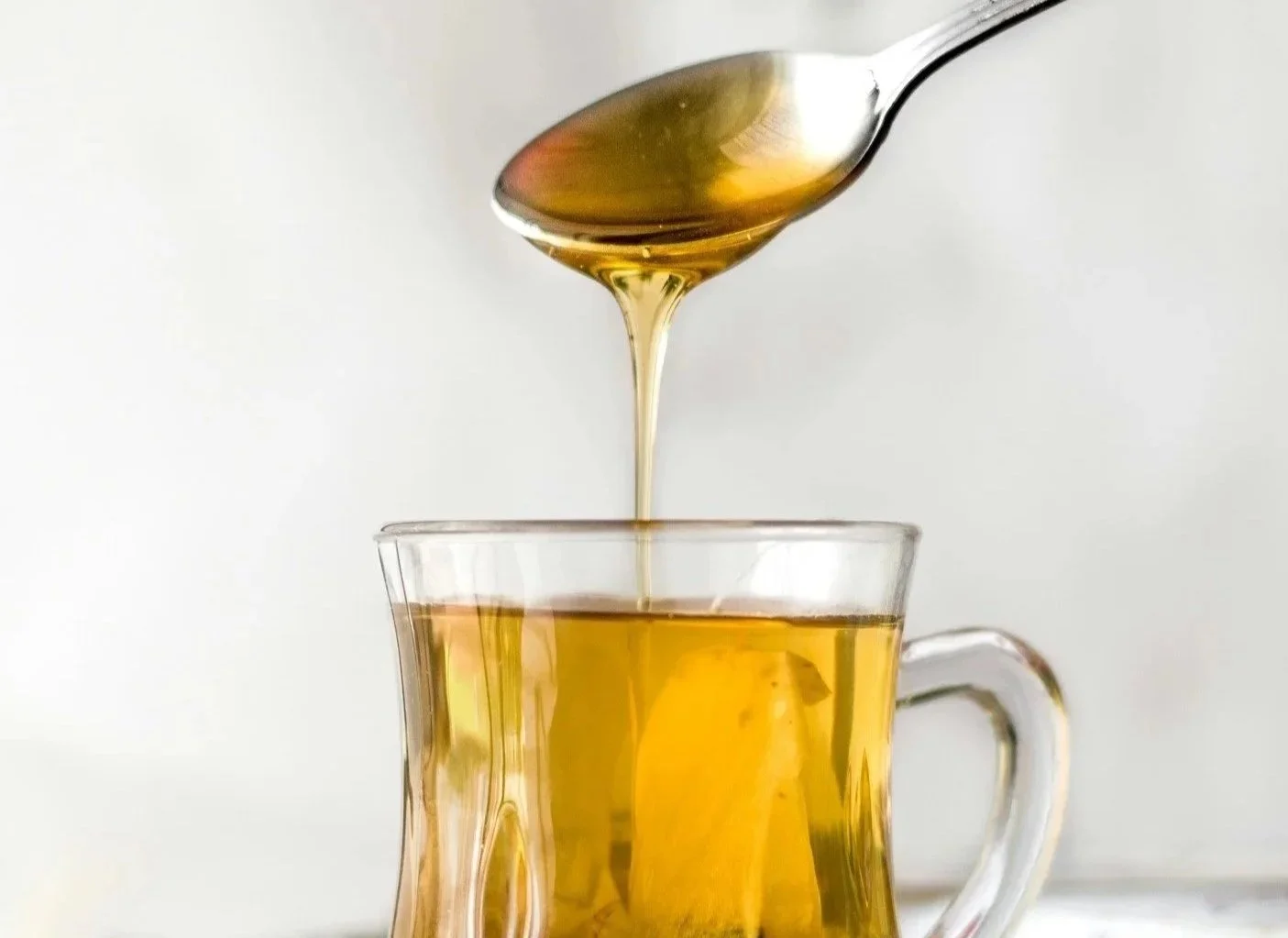
Dietary advice: Warming foods that also moisten are ideal: walnuts, black sesame, leeks, lamb, cooked pear with ginger, and congee with Rou Cong Rong (cistanche). Avoid cold and raw foods entirely. Warm water with a little honey first thing in the morning can be a simple and effective daily habit for this pattern.
General TCM Dietary Principles for Digestive Health
Regardless of your specific pattern, a few foundational principles run through TCM dietary wisdom:
Eat warm and cooked. TCM consistently emphasizes that the Spleen and Stomach function best when food is warm and easy to digest. This doesn't mean you can never eat a salad, but a diet dominated by cold, raw foods, icy smoothies, and refrigerator-cold meals makes the digestive system work much harder.
Eat at regular times. The body's organ clock in TCM places the Stomach's peak activity between 7 and 9am. Eating a proper breakfast is considered important. Skipping meals or eating erratically weakens Spleen Qi over time.
Don't overeat. TCM advises eating until you are about 70–80% full. Overeating burdens the Stomach and leads to stagnation. The classic saying: eat breakfast like a king, lunch like a prince, dinner like a pauper.
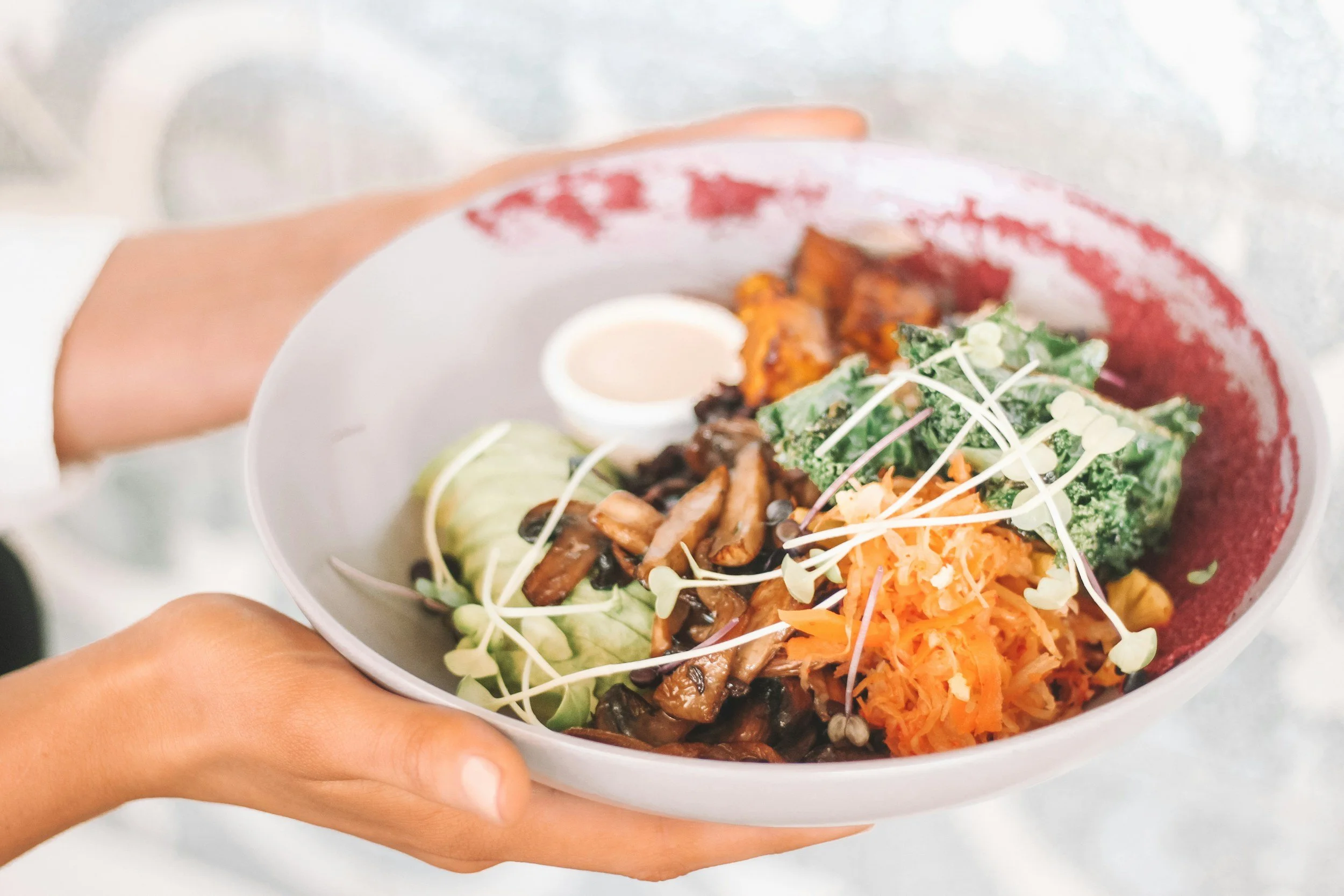
Eat without distraction. Eating while stressed, rushing, scrolling through your phone, or having difficult conversations is considered damaging in TCM. Modern research on the nervous system backs this up. A calm, present state during meals supports the digestive process.
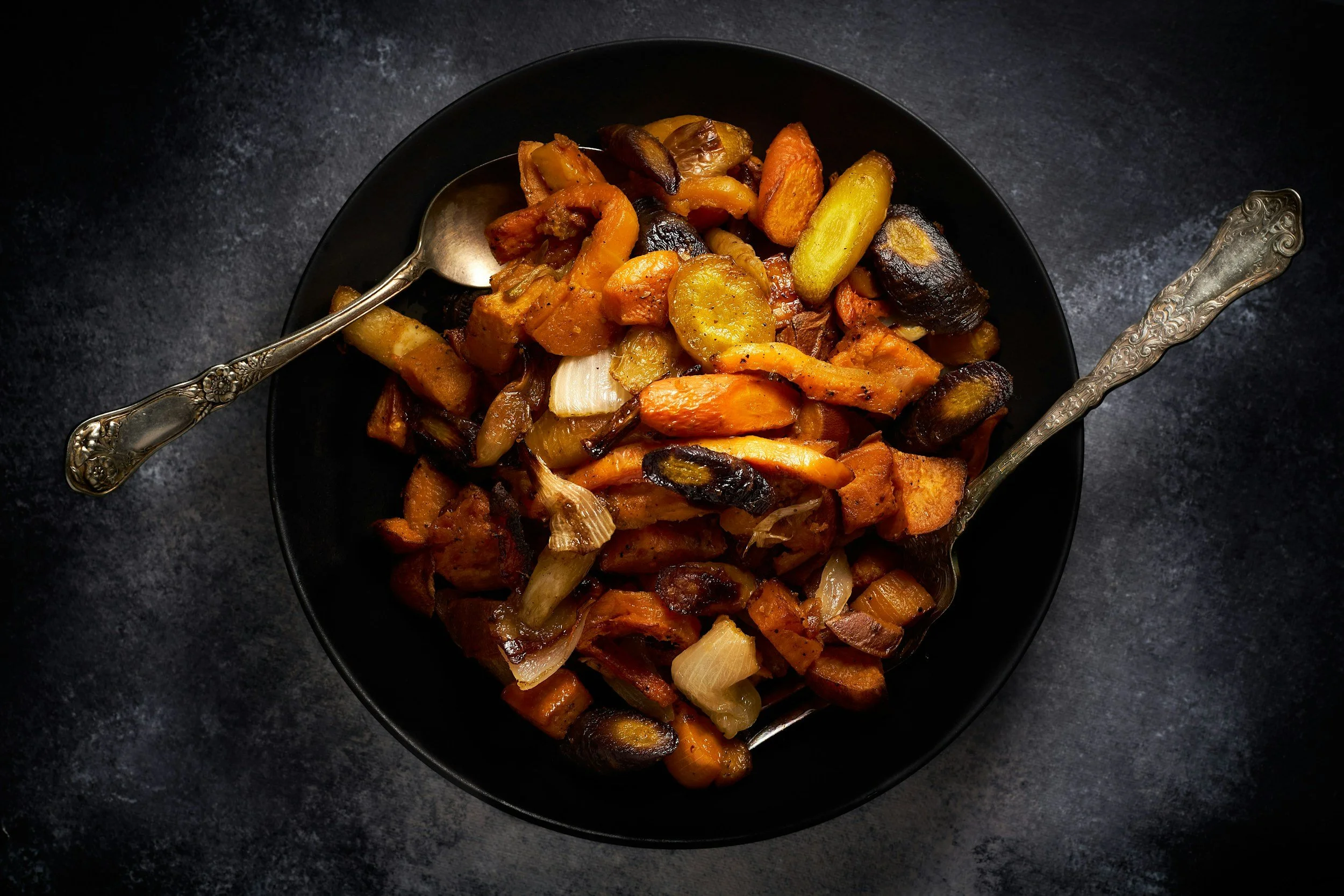
Chew well. This one is simple and timeless across both TCM and modern nutritional science. Thorough chewing eases the burden on the Stomach.
Limit cold drinks with meals. In TCM, drinking large quantities of cold water with meals dilutes digestive fire. Room-temperature or warm drinks are preferred, particularly herbal teas like ginger, fennel, or hawthorn berry.
A Final Word
If any of the patterns above resonate with you, it's worth speaking with a qualified TCM practitioner who can assess your full picture, confirm your pattern diagnosis, address underlying patterns with acupuncture and guide you toward the right herbal formula and dietary adjustments. Herbal medicine, particularly, should always be prescribed individually. As mentioned previously, some herbs are contraindicated with certain health conditions or medications/supplements.
What makes TCM's approach to digestion so valuable is that it treats you as a whole person, not just a set of symptoms to be managed. Your stress levels, sleep patterns, emotional life, and dietary habits are all part of the picture. Two people with the same complaint of bloating might have completely different underlying patterns, and will need completely different treatment. TCM offers a holistic approach to digestive health that works beautifully alongside modern medicine, but it's not a substitute for professional medical evaluation. Always check with your doctor for any serious or ongoing health concerns before exploring complementary therapies.
Your digestion is not something to put up with. In TCM, a happy gut is the foundation of a healthy life and with the right support, that's within reach.